10 Reasons the Vision Pro May Have Failed (And Why Apple Isn’t Giving Up Yet)
Recent rumors have swirled that Apple may be quietly stepping back from its ambitious Vision Pro headset, with critics pointing to its steep price tag and uncomfortable weight as key factors. Yet, contradictory evidence emerges: Apple continues to hire into its Vision Products Group, suggesting the story is far from over. In this listicle, we break down the top reasons behind the device’s purported struggles—and why the company might be doubling down instead of walking away.
1. The Astronomical Price Tag
At $3,499, the Vision Pro entered the market as one of the most expensive consumer headsets ever. For most buyers, that’s more than a high-end laptop or a week’s vacation. The price alienated casual users and even many tech enthusiasts, who expected a more accessible entry point from Apple. Unlike the iPhone or iPad, which offered multiple price tiers, the Vision Pro had no budget version, making it a luxury item from day one. This pricing strategy limited its audience to early adopters and developers, but failed to generate the mass appeal needed for a new product category.
2. Weight and Comfort Issues
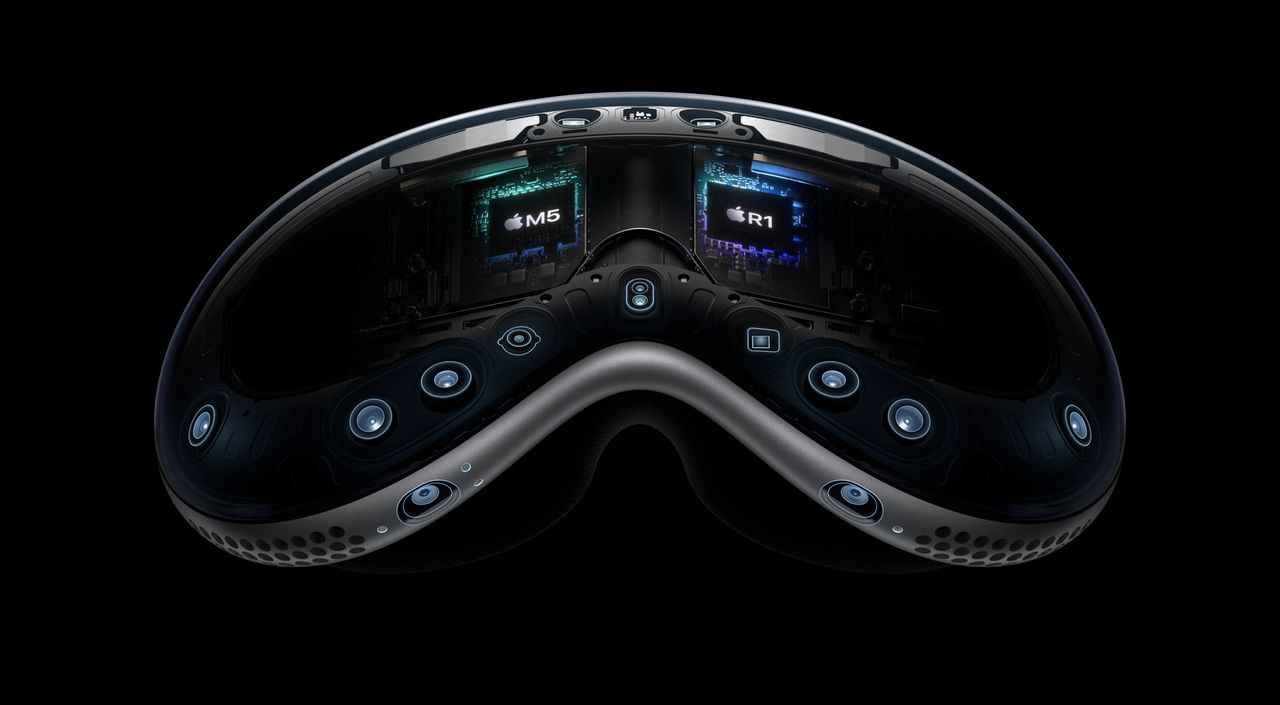
Weighing over 600 grams (21 ounces), the Vision Pro is heavier than most competing headsets. Users reported neck strain and discomfort after extended sessions, which hurt its suitability for productivity or entertainment. While Apple used premium materials like aluminum and glass, the trade-off was added heft. Ergonomic issues made it hard to wear for more than an hour, limiting its practical use. Reviews consistently cited this as a deal-breaker, even for those willing to pay the high price. Without a lighter design, the device felt more like a prototype than a polished consumer product.
3. Limited App Ecosystem at Launch
Despite Apple’s vast developer community, the Vision Pro launched with only about 600 native apps. Many key players like Netflix and Spotify stayed away, leaving the device without essential entertainment and productivity tools. Users had to rely on iPad apps in compatibility mode, which often looked clunky in mixed reality. The lack of compelling, dedicated experiences made it hard to justify the purchase. Apple’s usual “app store magic” didn’t materialize, and developers cited high development costs and uncertain returns as reasons for hesitation.
4. Unclear Use Case for the Masses
While Apple marketed the Vision Pro as a spatial computer that replaces your laptop, most consumers couldn’t see a clear need for it in daily life. It wasn’t a gaming console, a productivity device, or a social platform—it tried to be all three, but excelled at none. The mind-bending demos impressed reviewers, but real-world use cases remained niche. People struggled to envision wearing a headset for spreadsheets, video calls, or watching movies in the living room. Without a “killer app,” the Vision Pro felt like a solution in search of a problem.
5. Competition from Cheaper, Lighter Rivals
Even before the Vision Pro launched, Meta’s Quest 3 offered a compelling mixed-reality experience at $500. It wasn’t as premium, but it was good enough for most users—and at a fraction of the price. Apple’s headset also faced competition from emerging devices like the PlayStation VR2 and upcoming AR glasses from other tech giants. For the cost of one Vision Pro, you could buy five Quest 3s, making the Apple device a tough sell even for loyalists. The market simply wasn’t ready to pay Apple’s premium for incremental improvements.
6. Battery Life and Tethering
The Vision Pro uses an external battery pack that lasts about two hours, which is insufficient for all-day use. The wired connection to the battery also felt clumsy, and users couldn’t swap batteries seamlessly. This short runtime made the device more of a demo gadget than a daily driver. Apple’s decision to prioritize a lightweight design by offloading the battery externally may have backfired, as it added complexity and reduced portability. For a device meant to replace screens, two hours is a major limitation.
7. Privacy and Social Awkwardness
Wearing a headset in public—or even at home around family—creates a social barrier. The Vision Pro’s “EyeSight” display, which shows the user’s eyes to others, was innovative but still felt isolating. Many users reported feeling disconnected or judged while using it. Privacy concerns also arose, as the headset’s cameras and sensors raised questions about surveillance. Apple touted privacy features, but the optics of wearing a face computer didn’t sit well with potential buyers. The technology felt intrusive in a way that phones do not.
8. Production and Supply Chain Challenges
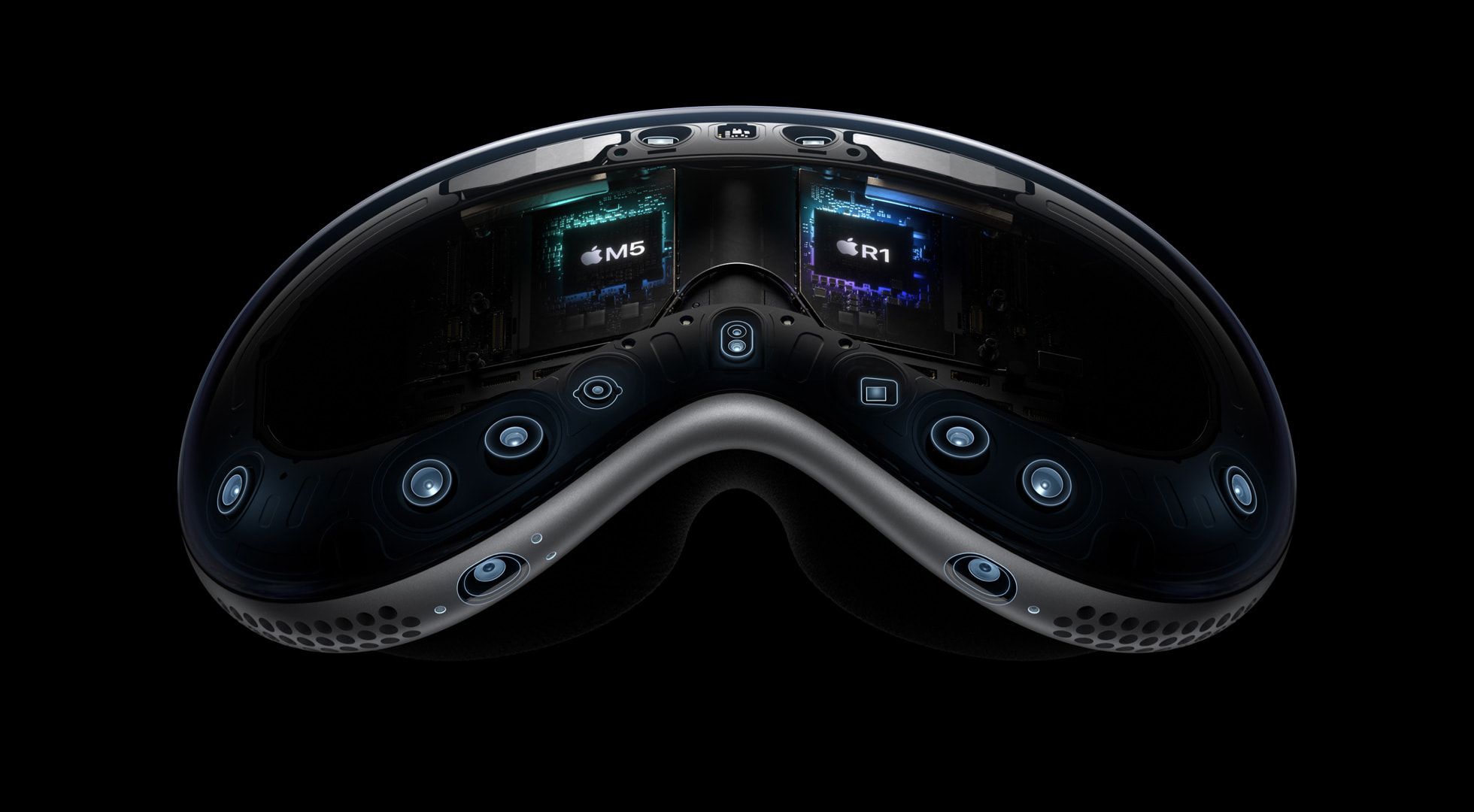
Reports indicated that Apple drastically cut production targets within months of launch, suggesting weak demand. The complex manufacturing process for the Micro‑OLED displays and the custom chip led to high unit costs and low yields. Apple reportedly slashed orders from suppliers, signaling that the device wasn’t selling as anticipated. This supply chain pressure made it hard to lower prices or iterate quickly. Even with deep pockets, Apple couldn’t overcome the economic realities of producing a cutting‑edge headset at scale.
9. The Vision Products Group Is Still Hiring — Data That Contradicts the “Giving Up” Narrative
Despite headlines about a pivot, Apple’s Vision Products Group (VPG) continues to post job openings for engineers, software developers, and hardware specialists. This ongoing recruitment suggests the company is investing in future iterations, not abandoning the product line. It’s common for Apple to work on multiple generations simultaneously, so hiring could be for a lighter, cheaper version or next‑gen technology. The contradiction between media speculation and Apple’s actions highlights how early we are in the headset’s lifecycle. The Vision Pro may be a learning product, not a dead end.
10. What’s Next: A Potential Pivot to a Cheaper Model
Industry analysts and insiders believe Apple might release a budget‑friendly version—possibly called “Vision” or “Vision SE”—priced around $1,500 in 2025 or 2026. This device would sacrifice some extreme features (like EyeSight or premium materials) to reach a wider audience. By iterating on the technology while reducing costs, Apple hopes to avoid the fate of Google Glass. The hiring spree and internal focus on reducing weight and improving battery life all point to a revised strategy. The Vision Pro’s struggles may simply be the first step toward a successful product line.
In conclusion, the Vision Pro’s journey mirrors Apple’s earlier missteps—the original iPhone was expensive and lacked apps too, but eventually revolutionized the industry. While the current headset faces legitimate criticisms over price, weight, and ecosystem, Apple’s continued hiring and rumored cheaper model suggest the company hasn’t given up. The story of the Vision Pro is still being written, and the next chapters could redefine spatial computing for the masses.