Huawei's Rise to AI Chip Leadership in China: Nvidia's Troubles and a $67 Billion Market
As regulatory hurdles stall Nvidia's H200 shipments, Huawei is emerging as China's dominant AI chip supplier, with the market projected to reach $67 billion by 2030. This Q&A explores the factors behind this shift, including export restrictions, government policies, and timing.
Why is Huawei poised to become China's top AI chip supplier by 2026?
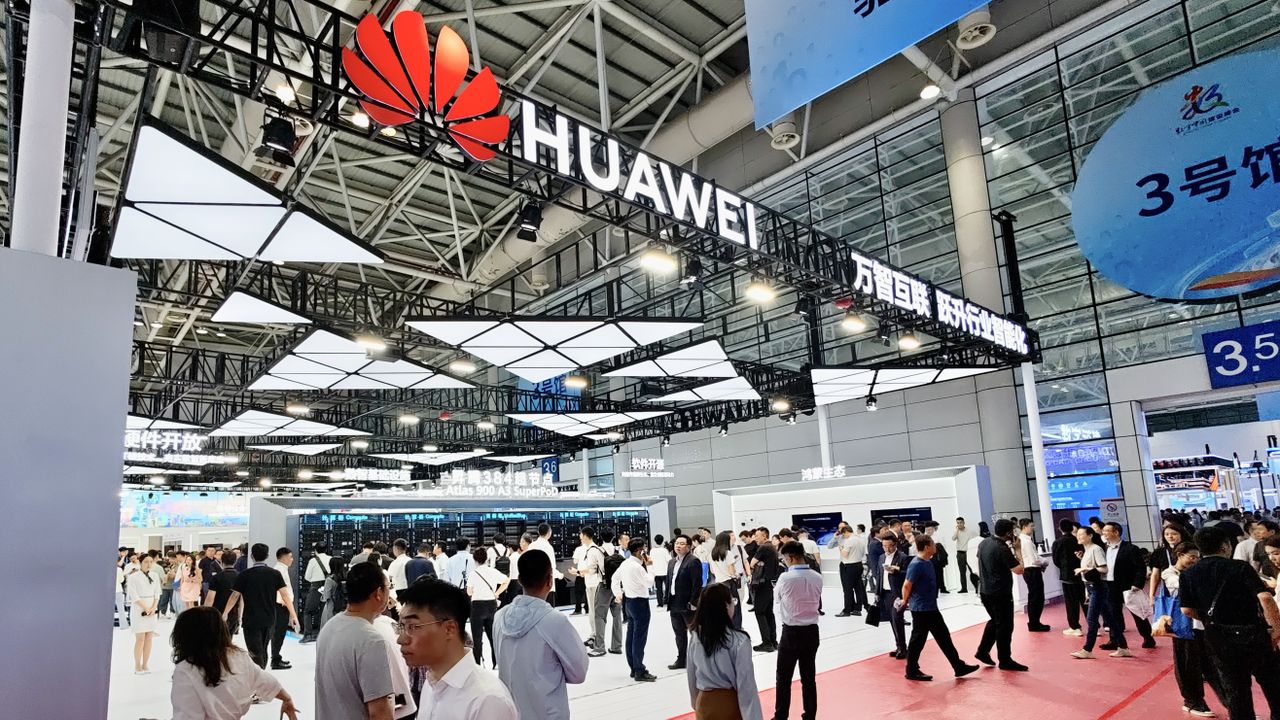
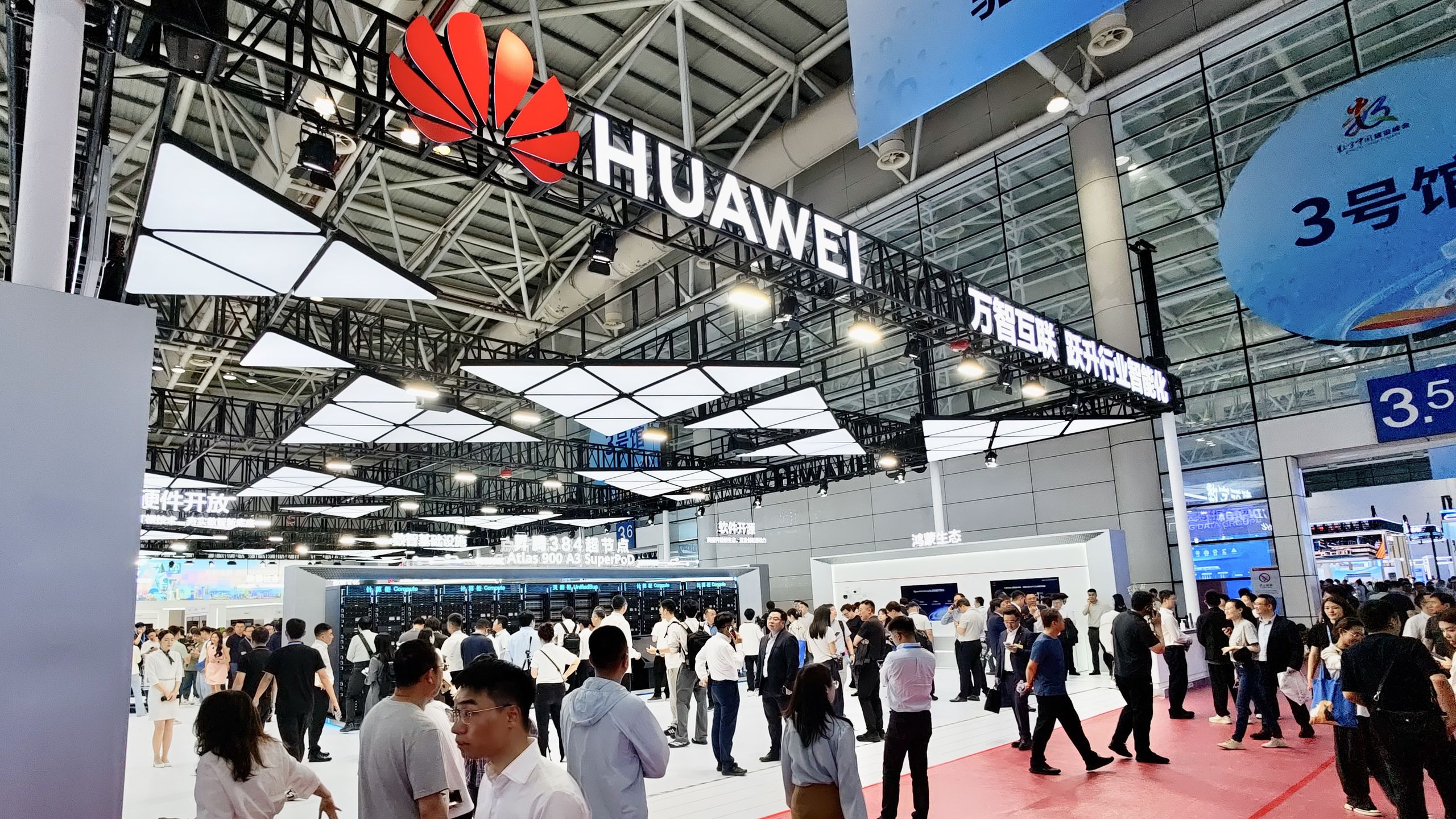
Huawei is on track to seize the AI chip crown in China by 2026 due to a combination of strategic advantages and external factors. First, the company has heavily invested in its Ascend series of AI processors, which offer competitive performance for training and inference tasks. Second, Beijing's push for domestic hardware dominance provides Huawei with policy support, including subsidies and preferential procurement from state-owned enterprises. Third, Nvidia's ongoing troubles with export restrictions and customs delays have created a supply gap that Huawei is well-positioned to fill. Analysts note that China's AI chip market, forecast to hit $67 billion by 2030, is large enough to sustain multiple players, but Huawei's integrated ecosystem—combining chips, software, and cloud services—gives it a unique edge. As Nvidia's H200 shipments stall in regulatory limbo, Huawei's ability to deliver at scale and adapt to local requirements makes it the frontrunner for the top spot.
What export restrictions is Nvidia facing in China?
Nvidia faces multi-layered export controls imposed by the U.S. government, which restrict sales of advanced AI chips to China. These measures, initially introduced in 2022 and tightened in 2023, target chips with high interconnect bandwidth and computational capacity, such as the A100, H100, and their successors. Nvidia designed compliant variants like the A800 and H800—slower versions that met regulatory thresholds—but these too were later restricted as rules expanded. The most recent blow came when the U.S. Department of Commerce further narrowed the cutoff, effectively blocking shipments of Nvidia's H200 and Blackwell series to China. Additionally, customs delays in both the U.S. and allied countries have created uncertainty, with shipments being held for review or denied outright. These restrictions have not only cut off Nvidia's revenue from its second-largest market but also forced Chinese buyers to seek alternatives, accelerating the shift toward domestic suppliers like Huawei.
How large is China's domestic AI chip market expected to be by 2030?
China's domestic AI chip market is projected to reach $67 billion by 2030, according to industry analysts. This figure accounts for both training and inference chips used in data centers, edge devices, and autonomous systems. The market's growth is fueled by the country's massive AI adoption across sectors like healthcare, finance, manufacturing, and autonomous driving. Government initiatives, including the Made in China 2025 plan and the New Generation AI Development Plan, aim for self-sufficiency in critical components, including chips. While international vendors like Nvidia currently dominate high-end AI compute, localization efforts are accelerating. The $67 billion forecast includes a rising share for domestic players—from about 15% in 2023 to over 50% by 2030, with Huawei, Cambricon, and Biren Technology leading the charge. This projection underscores the enormous opportunity for Chinese chipmakers to capture a market once dominated by foreign imports.
What role does the Chinese government play in promoting domestic AI hardware?
The Chinese government is a key driver of the domestic AI hardware push, employing a mix of policy incentives, funding, and procurement mandates. Through initiatives like the National Integrated Circuit Industry Investment Fund (the "Big Fund"), Beijing has directed billions of dollars into chip design, manufacturing, and packaging. Local governments also offer tax breaks, land, and subsidies to semiconductor companies. On the demand side, government entities and state-owned enterprises are encouraged to buy domestic chips for data centers and public projects, creating a captive market. Additionally, the government enforces cybersecurity and data localization regulations that favor Chinese suppliers—for example, requiring confidential data to be processed on domestic hardware. This ecosystem of support helps Chinese chipmakers like Huawei survive and thrive despite technological gaps, ensuring that even if foreign options are available, homegrown alternatives are prioritized. The long-term goal is strategic independence from Western supply chains.
How do customs delays impact Nvidia's H200 shipments?
Customs delays have become a significant bottleneck for Nvidia's H200 shipments to China. Even when export licenses are theoretically available, shipments often face protracted inspections by U.S. and intermediary country customs authorities. These delays can last weeks or months, causing Chinese clients to miss product launch windows or scale-back AI deployment plans. In some cases, shipments are ultimately denied, forcing expensive returns or redesigns. The uncertainty has led many Chinese cloud providers and tech firms to preemptively shift orders to domestic alternatives like Huawei's Ascend chips. Nvidia has been unable to guarantee delivery timelines, and while the company attempts to work through regulatory channels, the lack of predictability erodes trust. Customs delays compound the already stringent export restrictions, making it virtually impossible for Nvidia to maintain its previous market share in China. This regulatory limbo is a primary reason analysts believe Huawei will seize the AI chip crown by 2026.
What are the implications of this shift for global AI chip competition?
The rise of Huawei as China's top AI chip supplier signals a fragmentation of the global AI chip market, where U.S.-China decoupling reshapes supply chains. If Huawei successfully scales its Ascend chips to compete with Nvidia on performance, it could challenge Nvidia's near-monopoly in AI compute. This would pressure Nvidia to innovate faster and diversify its customer base outside China. However, a bifurcated market—with separate ecosystems for China and the West—could slow overall AI progress due to incompatibility of software stacks and limited cross-border collaboration. The U.S. export controls might accelerate China's self-sufficiency but also risk isolating Chinese firms from cutting-edge global research. For other international players, the $67 billion Chinese market becomes increasingly hard to access, while Chinese firms gain a protected home market to build scale. Long-term, this shift could lead to two parallel AI technology blocs, each with its own standards and supply chains.