Rising Space Debris Threatens Satellite Operations and Scientific Research
Introduction
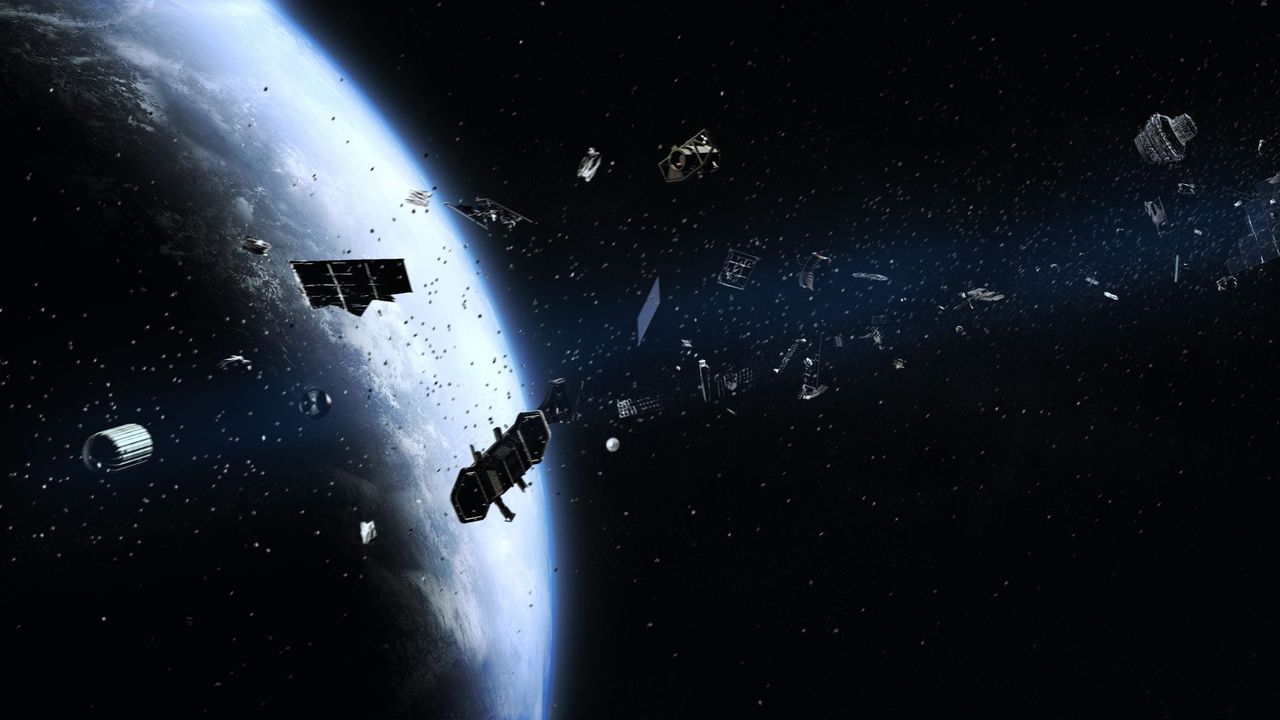
Space debris—the ever-growing cloud of defunct satellites, spent rocket stages, and fragmentation fragments orbiting Earth—is increasingly forcing active satellites to execute avoidance maneuvers. These unplanned adjustments not only consume precious fuel but also lead to temporary data loss, directly impacting scientific missions and commercial services. Experts warn that the situation will worsen before any meaningful mitigation takes effect.
The Growing Threat: More Debris, More Dodges
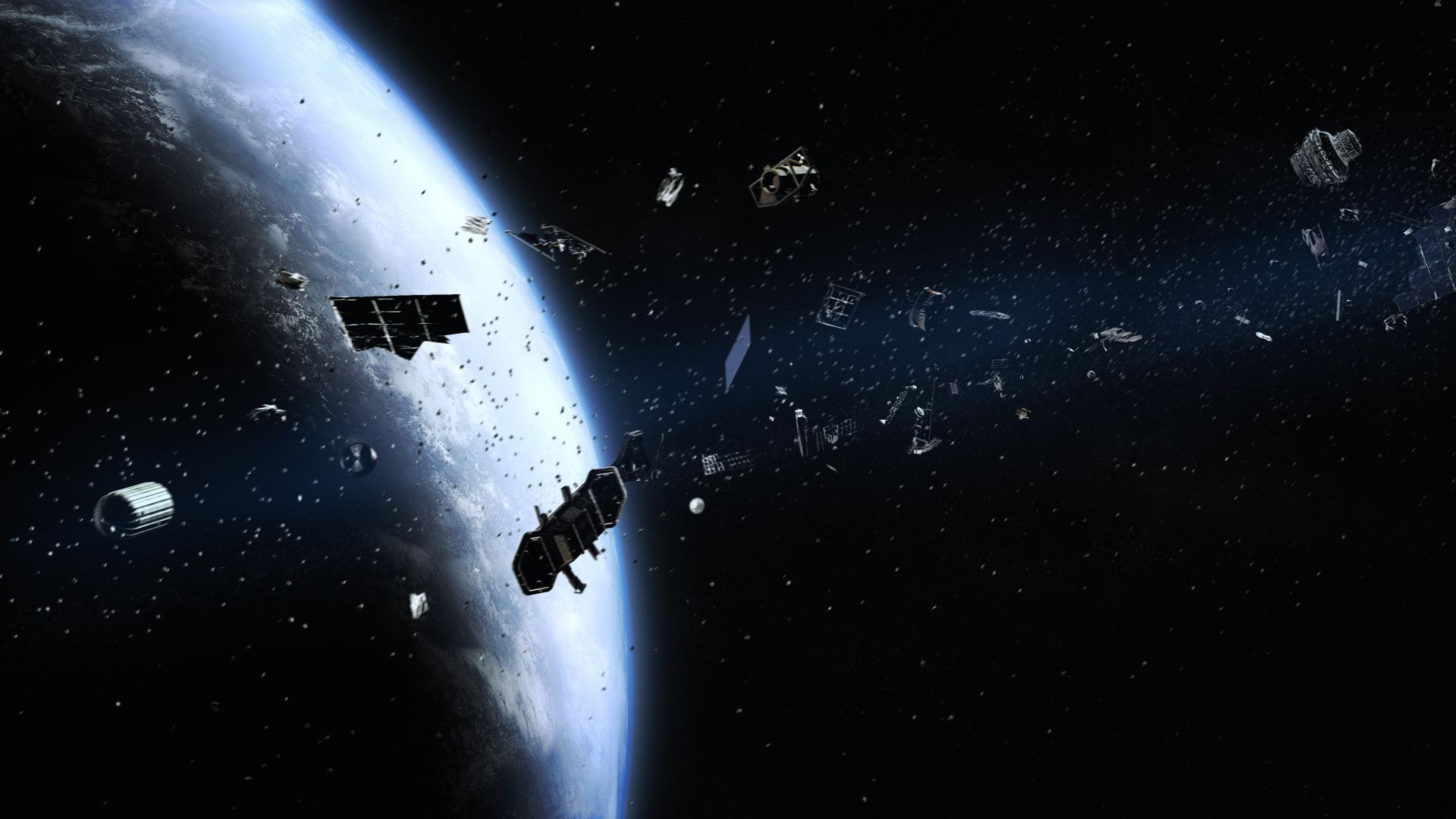
Since the dawn of the space age, humanity has launched thousands of objects into orbit. Many remain as junk, traveling at speeds up to 28,000 km/h. Collisions create even more fragments, compounding the risk. Today, the European Space Agency estimates over 36,500 debris pieces larger than 10 cm are tracked, with millions of smaller, untrackable pieces. As deployment of large satellite constellations accelerates, the frequency of close approaches requiring evasive action has surged.
Fuel and Data Costs: The Hidden Price of Avoidance
When a satellite receives a collision alert, it must often perform a debris avoidance maneuver (DAM). This burns propellant, shortening the satellite's operational lifespan. For science satellites—such as those monitoring climate, astronomy, or Earth observation—every maneuver may interrupt data collection. Instruments must be reconfigured, and the orbital shift can invalidate calibration, leading to data gaps that reduce the value of long-term records. A study cited by space agencies shows that some missions have lost up to several hours of observation per event, a cost that compounds as debris density grows.
The Science at Stake: Vital Observations Compromised
Satellites dedicated to climate science, like those measuring sea level rise or atmospheric composition, rely on stable, precisely calibrated orbits. Even small adjustments can introduce errors that take weeks to correct. For example, the Jason series altimetry satellites, which track ocean surface topography, have seen increased avoidance rates. “Things will get worse before they get better,” warns a senior operations engineer, referring to the projected debris growth from future collisions and anti-satellite tests.
Commercial Impact: Constellations Face Increased Risk
Large low-Earth orbit (LEO) constellations, such as those providing internet connectivity, also feel the strain. Each satellite in these networks must perform its own DAMs, consuming fuel that could otherwise extend its service life. Without proactive debris removal, operators face higher operational costs and potential service disruptions. For scientific missions, the loss is not just financial; it’s the loss of irreplaceable data.
What Lies Ahead: Mitigation and Adaptation
Space agencies and private companies are exploring solutions:
- Active debris removal (e.g., capturing defunct satellites with nets or robotic arms).
- Improved collision avoidance systems using AI to predict conjunctions with greater accuracy.
- Stricter end-of-life disposal rules (e.g., deorbiting within 25 years).
However, these measures take time to implement. Meanwhile, the frequency of avoidance maneuvers will likely increase, especially during solar maximum when atmospheric drag changes decay rates unpredictably.
The Cost of Inaction: A Cascade of Collisions
Without intervention, the Kessler Syndrome—a chain reaction where collisions generate debris that causes more collisions—could render certain orbits unusable. For science satellites, this means lost opportunities to monitor critical Earth systems. The International Space Station itself occasionally maneuvers to avoid debris, demonstrating the problem’s reach.
Conclusion: A Shared Responsibility
Space is a finite resource, and its sustainability depends on coordinated global action. While innovation in tracking and debris remediation offers hope, the immediate reality is that satellites must dodge more often, costing fuel, data, and money. As one mission planner put it, “We’re consuming our own capability to do science.” The path forward requires both technological advances and policy changes to preserve the orbital environment for future generations.
To learn more about the risks to satellite operations, explore our sections on debris growth and commercial impact.