Tesla Unveils Semi Charging Program: Basecharger and Megacharger Costs Revealed
Introduction
Tesla has officially launched its "Semi Charging for Business" program, marking a significant step forward for fleet operators and businesses eyeing the electric heavy-duty truck market. The initiative introduces two dedicated charging solutions: the newly announced Basecharger—a lower-power 125 kW unit tailored for depot and overnight use—and the previously known Megacharger. Alongside the product lineup, Tesla has also disclosed pricing details via an online configurator, offering transparency for potential buyers.
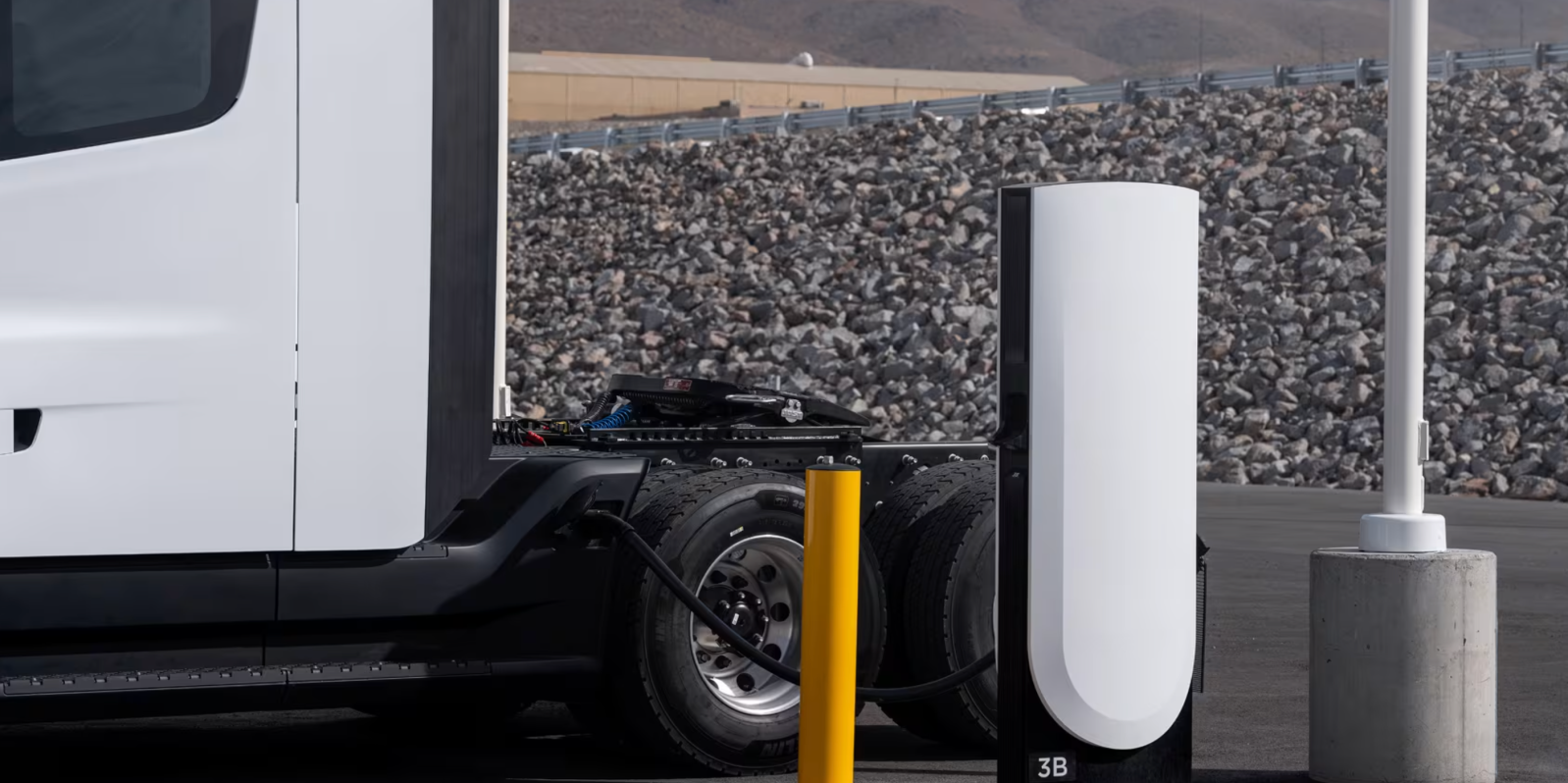
The Basecharger: A Depot-Friendly Solution
Designed specifically for fleet yards and overnight charging scenarios, the Basecharger delivers 125 kW of power—sufficient to replenish a Tesla Semi's battery over several hours. This makes it an ideal choice for operators who can leverage slower, more cost-effective charging during vehicle idle periods. Unlike the high-speed Megacharger, the Basecharger emphasizes simplicity and lower infrastructure requirements, potentially reducing installation complexity for depot settings.
Megacharger Pricing and Configuration
The online configurator reveals that a setup with two Megacharger posts carries a starting price of $188,000—excluding taxes, installation, and any additional site preparation costs. For revenue-generating sites, Tesla will charge an all-inclusive fee of $0.08 per kWh for energy used. This pricing model aims to provide predictable operational expenses for fleet operators, though the upfront investment remains substantial. The Megacharger is capable of delivering ultra-fast charging, enabling Semis to add significant range in a short break—critical for long-haul routes.
Program Details and Eligibility
The "Semi Charging for Business" program is open to fleet operators and businesses that purchase Tesla Semis or plan to integrate them into their operations. Through the program, customers can buy and install their own charging infrastructure—either the Basecharger, Megacharger, or a combination—directly from Tesla. This approach mirrors Tesla's strategy with its Supercharger network for passenger vehicles, but tailored for commercial use. The program also includes access to Tesla's energy management software to optimize charging schedules and costs.
Basecharger vs. Megacharger: Key Differences
- Power Output: Basecharger offers 125 kW; Megacharger delivers over 1 MW for rapid charging.
- Best Use Case: Basecharger suits overnight depot charging; Megacharger is for en-route stops and high-uptime operations.
- Installation Complexity: Basecharger typically requires less grid capacity; Megacharger may need substantial electrical upgrades.
- Cost: Basecharger pricing has not been disclosed, but is expected to be lower than the $188,000 for two Megacharger posts.
Implications for the Electric Truck Market
By offering both a lower-power, cost-effective option and a high-power solution, Tesla is addressing two distinct segments of the heavy-duty electric truck market. Fleet operators with predictable routes and overnight parking can leverage the Basecharger to minimize infrastructure investment, while those requiring fast turnaround times can opt for the Megacharger. The per-kWh fee of $0.08 aligns with commercial electricity rates in many regions, making operational costs competitive with diesel, especially when factoring in lower maintenance for EVs.

Installation Considerations for Businesses
Businesses interested in the program should evaluate their existing electrical capacity, space for charging stations, and typical vehicle dwell times. Tesla provides consultation services through the program, helping customers determine the optimal charger mix. While the Basecharger can often be integrated into existing depot infrastructure with minimal upgrades, the Megacharger frequently requires high-voltage connections and possibly dedicated transformers—factors that influence total cost of ownership.
Future Outlook and Expansion
Tesla's move to reveal pricing and launch a dedicated business program signals confidence in the Semi's market readiness and the supporting charging ecosystem. As more fleets adopt electric trucks, demand for both Basechargers and Megachargers is expected to grow. Tesla may also expand the program to include shared charging hubs along major freight corridors, further accelerating the transition to zero-emission trucking. The $0.08/kWh fee for revenue sites could become a benchmark for the industry, encouraging other charger manufacturers to offer competitive pricing.
Conclusion
The launch of the "Semi Charging for Business" program, along with the introduction of the Basecharger and clear Megacharger pricing, provides fleet operators with actionable options for electrifying their heavy-duty transport. With its 125 kW depot charger and ultra-fast Megacharger, Tesla is building a comprehensive charging infrastructure to support the Semi truck rollout. Businesses now have the information needed to begin planning their transition to electric trucks, balancing upfront hardware costs against long-term operational savings.