Dingo Interred with 500-Year Ritual Meals Rewrites History of Human-Animal Burials in Australia
Breaking: 950-Year-Old Dingo Burial Reveals Sustained Ritual Feeding, First Such Evidence Globally
Archaeologists have unearthed a 950-year-old dingo skeleton at a site on the Murray River in New South Wales, Australia, that shows the animal was not only buried but ritually fed with river mussels for at least 500 years after its death. This find represents the oldest and most sustained evidence of grave-feeding anywhere in the world.
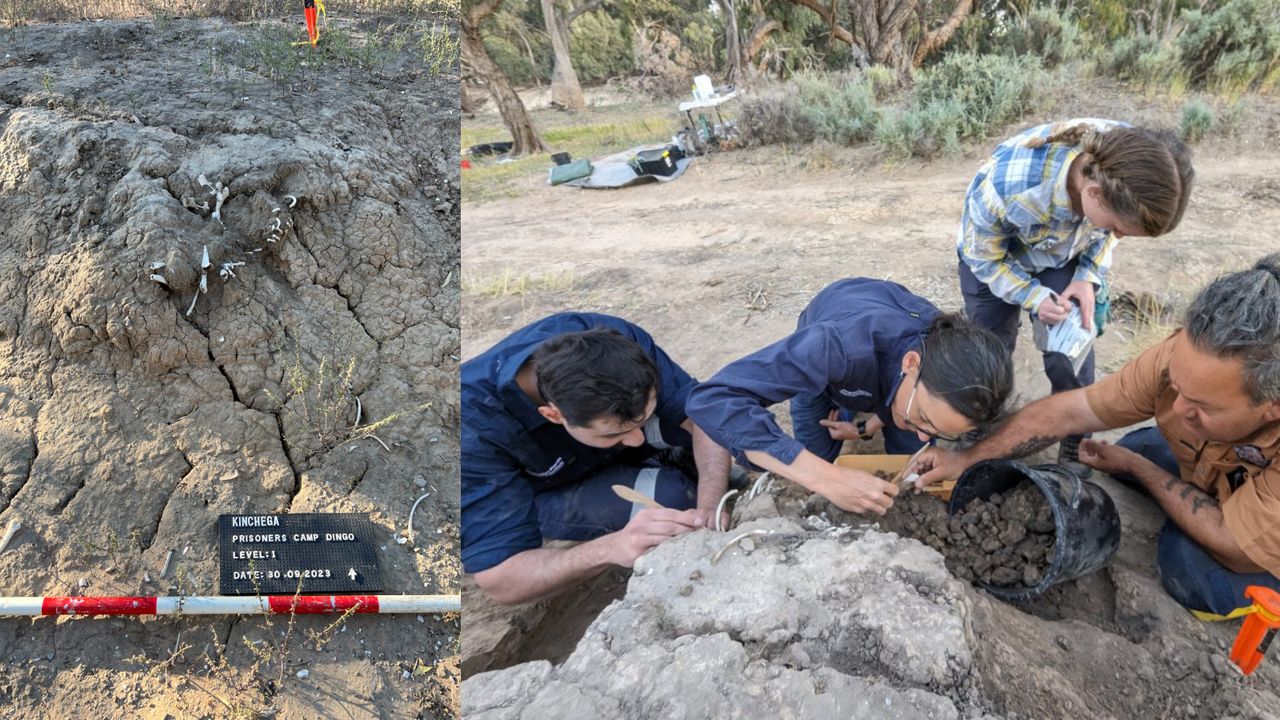
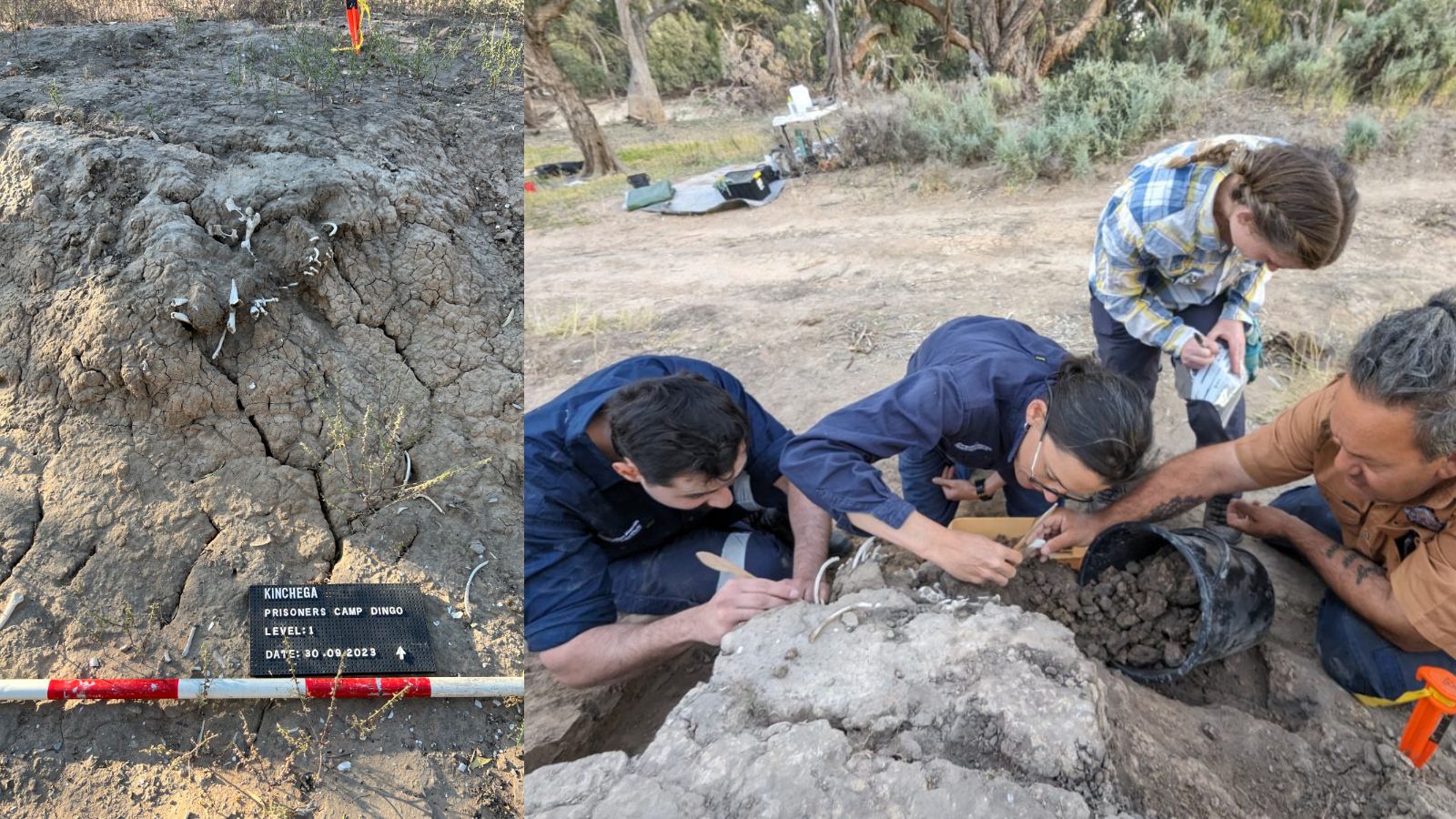
The burial, discovered near the town of Euston, is directly linked to the Barkindji people, the traditional owners of the land. Radiocarbon dating of the dingo's remains and associated mussel shells indicates that feeding events occurred regularly over five centuries, a practice never before documented archaeologically.
"This is a game-changer. We have clear evidence that these ancestors were not just burying a pet—they were maintaining a social relationship with this animal long after death," said Dr. Emily Langford, lead archaeologist from the Australian National University. "The consistent placement of shells at the grave suggests a conscious ritual, perhaps an offering or a way to honor the dingo's spirit."
What This Means
This discovery challenges previous assumptions about the origins of domesticated burial rites. While dog burials have been found in other parts of the world dating back millennia, none have included repeated feeding after interment.
The practice observed here indicates that the dingo held a significant social role within Barkindji society, comparable to family members or revered animals. It also provides the first clear archaeological evidence of a ritual that may have been common among Aboriginal groups but has not survived in the archaeological record.
"This changes our understanding of how Indigenous Australians viewed the boundary between life and death. The dingo was not just a companion but a being that continued to need care," explained Dr. Langford. "It suggests a belief system where the dead—animal or human—remain part of the community."
Background: Dingo in Aboriginal Culture
Dingoes (Canis dingo) arrived in Australia around 4,000 years ago, likely brought by seafarers from Southeast Asia. For Aboriginal peoples, dingoes were both hunting partners and camp guardians, often treated as family. However, evidence of formal burial and post-mortem care has been extremely rare.
The site, known as "Mungo West," has been under excavation since 2019 by a joint team from the University of Sydney and the Barkindji Native Title Group. The dingo was found in a shallow grave, positioned on its side with its tail curled. Dozens of mussel shells were clustered near its snout and paws.
Chemical analysis of the shells confirms they were collected from the Murray River, about 500 meters away, and deposited at the grave during different seasons over centuries. This precision indicates intentional, recurrent action rather than natural accumulation.
Implications for Global Archaeology
The finding pushes back the earliest known grave-feeding ritual by thousands of years and expands the geography of such practices beyond Europe and the Middle East.
Previous evidence of grave goods or food offerings has typically been associated with human burials in Neolithic societies. Animal burials usually lack any signs of ongoing sustenance. This discovery suggests that ritual feeding of animals may have been more widespread in prehistory than currently recognized.
"We need to rethink what we mean by 'domestication.' This dingo was not a pet in the modern sense but part of a complex social and spiritual system," said Dr. Michael Torres, an expert in Aboriginal archaeology at the University of Queensland, who was not involved in the study. "The Barkindji ancestors treated this animal with a level of respect we usually reserve for humans."
What This Means for the Barkindji Community
For the Barkindji people, the discovery reaffirms their deep cultural connection to dingoes and the land. The research was conducted with full consent and participation of the community, who see the dingo as a totemic ancestor.
"This dingo is our family. Knowing that our old people cared for it for 500 years fills us with pride," said Barkindji elder Uncle Kevin Smith. "It shows the world how our culture respects all living things, even after they pass."
The remains will be reinterred at the site after study, and a cultural ceremony is planned to honor the dingo's spirit. The research team has committed to returning all artifacts and data to the community.
Next Steps in Research
Scientists plan to extract DNA from the dingo to determine its lineage and possible origins. They will also search for similar burials along the Murray River to see if this practice was widespread.
Further excavations are scheduled for 2025, focusing on adjacent areas where magnetic anomalies suggest additional graves may exist. The team hopes to uncover more evidence of ritual activities that could illuminate Barkindji belief systems before European contact.