Revolutionary DNA-Based Cholesterol Treatment: A Q&A Guide
High cholesterol has long been a major risk factor for heart disease, with statins being the go-to treatment for decades. But a groundbreaking new approach could change the landscape entirely. Researchers have engineered tiny DNA-based molecules that target a protein called PCSK9, which normally prevents the liver from removing 'bad' LDL cholesterol from the blood. By silencing PCSK9, these molecules enable cells to absorb more cholesterol, leading to reductions of nearly 50% in LDL levels—without the use of statins. In this Q&A guide, we explore how this innovation works, its potential benefits, and what it means for the future of cholesterol management.
1. How does this new DNA-based treatment work to lower cholesterol?
The treatment uses specially designed DNA-based molecules known as antisense oligonucleotides or small interfering RNAs (siRNAs). These molecules are engineered to shut down the production of a protein called PCSK9 (proprotein convertase subtilisin/kexin type 9). Normally, PCSK9 binds to LDL receptors on liver cells, causing the receptors to be destroyed. This destruction prevents the liver from pulling “bad” LDL cholesterol out of the bloodstream. By blocking PCSK9 synthesis, the therapy allows more LDL receptors to remain on the surface of liver cells. The result is that the liver can absorb far more LDL cholesterol from the blood, reducing circulating levels. This approach is different from statins, which work by inhibiting an enzyme involved in cholesterol production. The DNA-based method offers a direct, targeted mechanism that can achieve dramatic reductions in LDL, even in people who cannot tolerate statins.
2. How effective is this treatment compared to statins?
Clinical studies have shown that this new treatment can lower “bad” LDL cholesterol by nearly 50%, which is comparable to or even better than many statins. Statins typically reduce LDL by 20% to 50% depending on the type and dose, but they come with side effects such as muscle pain, liver enzyme elevation, and increased diabetes risk in some patients. The DNA-based molecules achieve their effect without statins, making them a powerful alternative for patients who cannot take statins or who need additional LDL reduction beyond what statins can provide. Moreover, because the treatment targets PCSK9 at the genetic level, its effects can be long-lasting—often requiring injections only every few weeks or months, compared to daily pills. This patient convenience is a major advantage for long-term adherence. However, the treatment is still undergoing further trials to confirm its long-term safety and efficacy in diverse populations.
3. What exactly is PCSK9 and why is it important for cholesterol control?
PCSK9 is a key protein that regulates the amount of LDL cholesterol circulating in the blood. It is produced primarily by the liver and acts by binding to LDL receptors on the surface of liver cells. Once bound, it triggers the internalization and destruction of these receptors inside the cell. Since LDL receptors are responsible for capturing and removing LDL particles from the bloodstream, their destruction means that less LDL is cleared from the blood. This leads to higher levels of “bad” cholesterol, which can accumulate in artery walls and lead to atherosclerosis and heart disease. PCSK9 is therefore an attractive therapeutic target: by inhibiting PCSK9 function, you preserve more LDL receptors, allowing the liver to efficiently remove LDL from circulation. People with naturally low PCSK9 levels have very low LDL cholesterol and a reduced risk of cardiovascular events, validating the importance of this protein in cholesterol management.
4. Are there any side effects or risks associated with this new treatment?
As with any new therapy, the side-effect profile is still being characterized. In clinical trials, the most common side effects have been mild and manageable, including injection-site reactions (such as redness, swelling, or pain), headache, and flu-like symptoms. Serious adverse events have been rare. Because the treatment specifically targets PCSK9, it does not interfere with other metabolic pathways, potentially reducing the risk of the muscle pain and liver damage sometimes seen with statins. However, long-term data on outcomes such as memory loss, cognition, or diabetes risk are not yet fully available. Researchers are also monitoring for any unintended effects on immune function or the nervous system, as these are areas where cholesterol plays a role. Overall, the treatment appears to have a favorable safety profile, but patients should discuss potential risks with their doctor and continue to be monitored as more information emerges from ongoing studies.
5. Who would most benefit from this new cholesterol therapy?
This therapy is primarily aimed at patients with high LDL cholesterol who may not achieve adequate control with statins alone, or who cannot tolerate statins due to side effects. It is also promising for people with familial hypercholesterolemia—a genetic condition that causes extremely high LDL levels from birth and often requires aggressive treatment. Additionally, individuals at very high risk for cardiovascular disease, such as those with a history of heart attack or stroke, may benefit from the dramatic LDL reduction this treatment provides. Because the DNA-based molecules can be given as infrequent injections (every few weeks to a few months), they could improve adherence in patients who struggle with daily medication regimens. As more data becomes available, the therapy may also be considered for primary prevention in younger patients with moderate cholesterol elevation who want to avoid long-term statin exposure. Ultimately, the decision should be made between the patient and their healthcare provider based on individual risk factors.
6. How does this treatment lower the risk of heart disease?
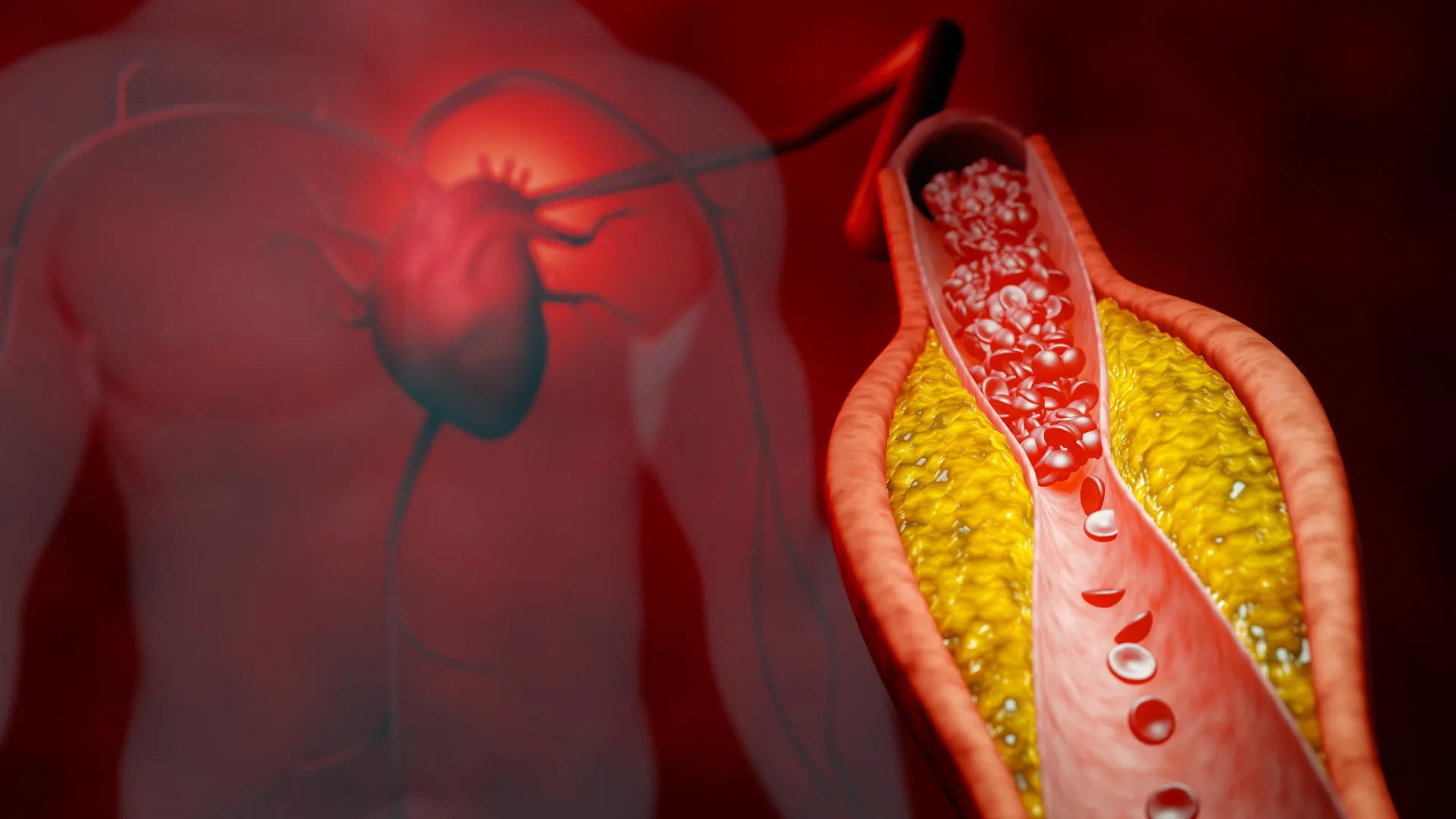
By reducing LDL cholesterol levels by nearly 50%, this treatment directly addresses one of the primary drivers of atherosclerosis—the buildup of cholesterol plaques in artery walls. Lower LDL levels slow the growth of existing plaques and reduce the formation of new ones. This, in turn, lessens the risk of heart attacks, strokes, and peripheral artery disease. The mechanism is supported by a large body of evidence linking elevated LDL to cardiovascular events. Furthermore, because the therapy targets PCSK9, it may also have beneficial effects on other lipoproteins and inflammation markers, though these are being studied further. In short, by removing more LDL from the blood, the therapy helps keep arteries open and healthy, thereby reducing the long-term risk of serious cardiovascular complications. For patients with existing heart disease, this additional LDL reduction can be life-saving, especially when added to a standard statin regimen or used as an alternative.