7 Critical Lessons from Honda's $2.7 Billion EV Crisis in America
When the Wall Street Journal reported that Honda faced its biggest crisis ever—a staggering $2.7 billion loss in its most important market, the United States—it sent shockwaves through the auto industry. The culprit? What experts call 'EV whiplash': a painful mismatch between the industry's electric vehicle ambitions and real-world consumer demand. This article breaks down seven essential lessons from Honda's financial storm, exploring what went wrong in EV marketing, why the auto industry now faces a financial crisis, and what it means for the future of transportation. From marketing blunders to structural challenges, these insights are crucial for anyone following the electric revolution.
1. The Staggering Scale of Honda's Loss
Honda reported a $2.7 billion loss, the largest in its history, primarily driven by its U.S. operations. This is a stunning reversal for a company that had long been a symbol of reliability and steady profits. The loss stems from a combination of factors: heavy investments in EV production lines that haven't paid off, slow sales of existing models, and the cost of retooling factories. To put it in perspective, Honda's previous worst loss was during the 2008 financial crisis. This time, the crisis is self-inflicted—a miscalculation of the EV transition pace. The numbers highlight that no automaker, not even a giant like Honda, is immune to the financial pain of getting the EV timing wrong.
2. EV Whiplash: When Demand Doesn't Match Supply
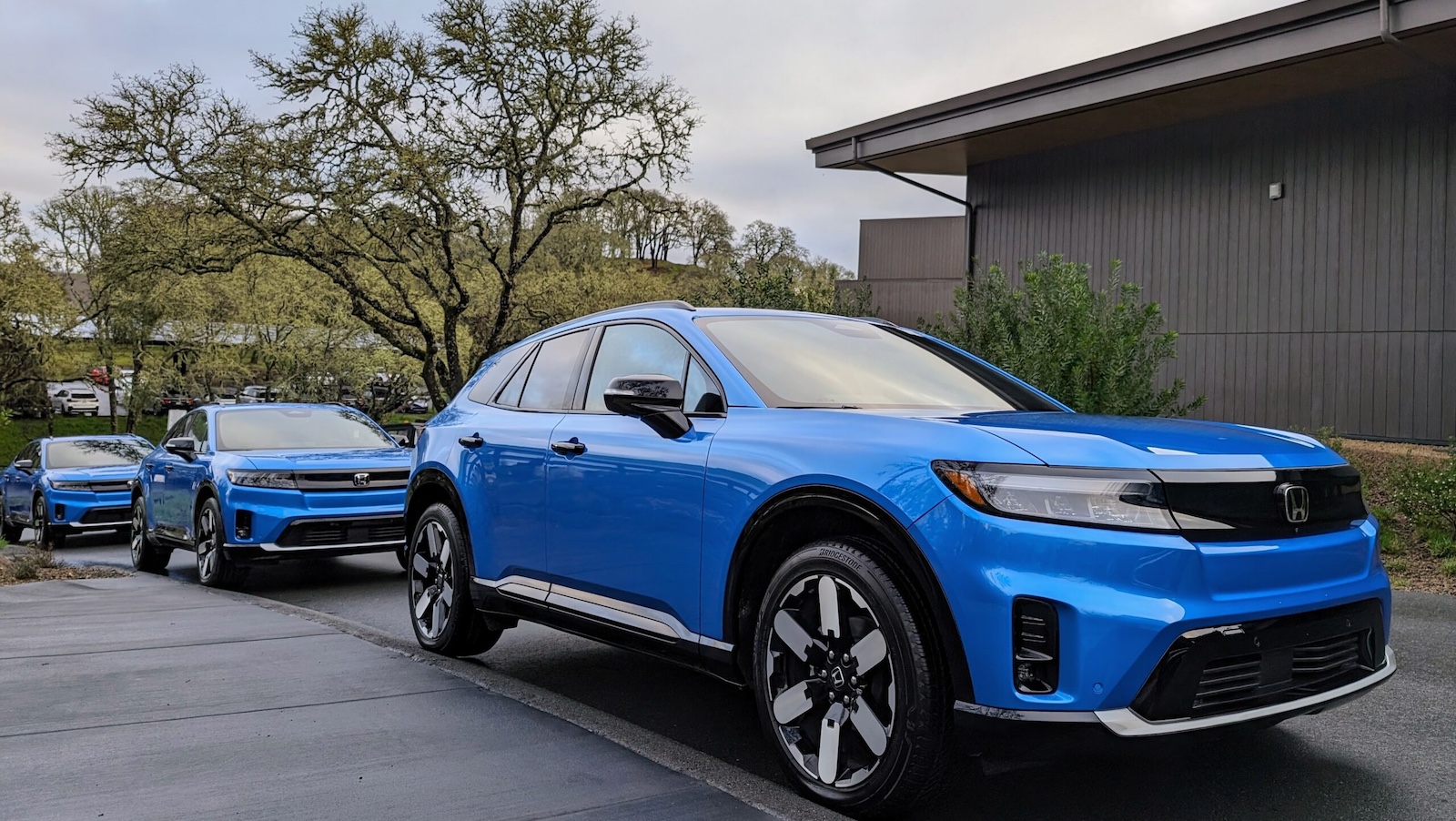
The term 'EV whiplash' perfectly captures Honda's dilemma. Automakers everywhere poured billions into electric vehicle development, expecting a meteoric rise in demand. But consumer adoption has been slower than anticipated due to high prices, range anxiety, and charging infrastructure gaps. Honda found itself with too many EVs and too few buyers, while still needing to sell gasoline cars to generate cash. This whiplash effect is not unique to Honda—Ford, GM, and others have also scaled back EV targets. The lesson? Forecasting EV demand is still an art, not a science, and overcommitting can lead to catastrophic losses. Honda's U.S. sales of EVs like the Prologue have been below expectations, forcing heavy discounts and inventory write-downs.
3. Marketing Mismatch: Why EV Campaigns Are Falling Flat
Honda's struggle is also a case study in failed EV marketing. The company attempted to position its EVs as mainstream alternatives to gas cars, but the messaging didn't resonate. Many consumers still view EVs as either luxury toys or impractical compromises. Honda's marketing didn't adequately address the biggest barriers: upfront cost, charging convenience, and battery longevity. Instead of highlighting real-world benefits (lower maintenance, instant torque), ads often focused on vague eco-appeals or technological specs that confused buyers. Furthermore, dealerships—unfamiliar with EVs—failed to educate customers. A survey by J.D. Power found that EV buyers rely heavily on dealer guidance, yet many salespeople lack knowledge. This marketing gap has directly contributed to Honda's inventory glut and financial pain. If automakers can't sell the dream, they can't sell the car.
4. The Auto Industry's Financial Domino Effect
Honda's crisis is a warning light for the entire auto industry. The shift to EVs requires massive capital expenditures—billions for new platforms, battery plants, and software. At the same time, legacy automakers still rely on profits from gasoline vehicles, which are declining. This double squeeze has created a financial crisis across the sector. Ford reported billions in losses from its EV division; GM struggled with battery production issues; and many European manufacturers are slashing costs. Honda's $2.7 billion loss is just the tip of an iceberg. Suppliers, dealers, and even battery manufacturers are feeling the strain. The domino effect means that if one major player stumbles, it can reverberate through the entire supply chain. The industry needs to find a sustainable pace for the transition—one that balances investment with realistic demand.
5. Honda's Historical Resilience vs. New Realities
Honda has a storied history of bouncing back from adversity—the 2011 earthquake, the 2008 recession, and even the 1970s oil crisis. But this time is different. Those earlier challenges were external shocks; this crisis is structural and internal. Honda's traditional strengths—engineering excellence, lean manufacturing, and brand loyalty—don't automatically translate to the EV era. The company's first all-electric model for the U.S., the Honda Prologue, is actually a rebadged GM vehicle, signaling a lack of homegrown technology. Meanwhile, competitors like Tesla and Chinese BYD have leapfrogged with superior battery tech and software. Honda's comeback requires not just financial restructuring but a culture shift toward software-defined vehicles and direct-to-consumer sales. The old playbook no longer applies, making the road to recovery steeper than ever.
6. The Challenge of a Comeback in a Shifting Market
Can Honda recover? Analysts are skeptical. A comeback will require painful decisions: cutting costs, closing plants, and possibly exiting certain segments. Honda has announced a $65 billion investment in electrification by 2030, but that money may arrive too late or be wasted if demand remains tepid. The company also faces a credibility gap; consumers and investors are wary after the $2.7 billion loss. Moreover, the U.S. market is becoming more crowded with EV options from Tesla, Hyundai, Kia, and an influx of Chinese brands. Honda's traditional advantage in fuel efficiency and reliability is less relevant in an EV world. The company must also navigate changing regulations, such as the EPA's stricter emissions rules, which could force even faster electrification. Without a clear, differentiated strategy, Honda risks becoming a niche player in its largest market.
7. Key Takeaways for Automakers Worldwide
Honda's crisis offers universal lessons. First, don't overpromise and underdeliver on EV timelines. Automakers must align production with realistic consumer adoption curves, not hype. Second, marketing must be revamped to address real pain points—cost, charging, and convenience—rather than greenwashing. Third, partnerships (like Honda's with GM) can be a double-edged sword; they bring speed but also dependency. Fourth, dealers and sales networks need proper EV training to avoid alienating buyers. Finally, financial planning must account for the possibility of a slower transition. The auto industry is in a period of creative destruction, and those that learn from Honda's mistakes—balancing innovation with financial discipline—will be the ones to survive. The EV revolution isn't cancelled, but it's definitely recalibrated.
Honda's $2.7 billion loss is a wake-up call. It proves that even the most resilient automakers can be blindsided by the EV transition. The industry must face hard truths: marketing failures, demand mismatches, and structural financial stress. But out of this crisis can come a smarter, more sustainable approach to electrification. The companies that listen to consumers, invest wisely, and communicate clearly will lead the next era. For Honda, the comeback won't be easy—but the lessons it's teaching will resonate for years.