Why the Galaxy S26 Ultra Left Me Unimpressed: A Three-Week Reality Check
Introduction
After spending three weeks with the Samsung Galaxy S26 Ultra, I can confirm it's a well-built device. If you're coming from a phone that's four years old, you'll likely be blown away. But for those who follow mobile technology closely, the experience feels more like a status quo upgrade than a true leap forward. At $1,300, the expectation isn't just 'good'—it's 'extraordinary.' And the Galaxy S26 Ultra, for all its polish, feels like a rehash of the Galaxy S23 Ultra, trapped in a slightly newer body.
Design and Build: Familiarity Over Innovation
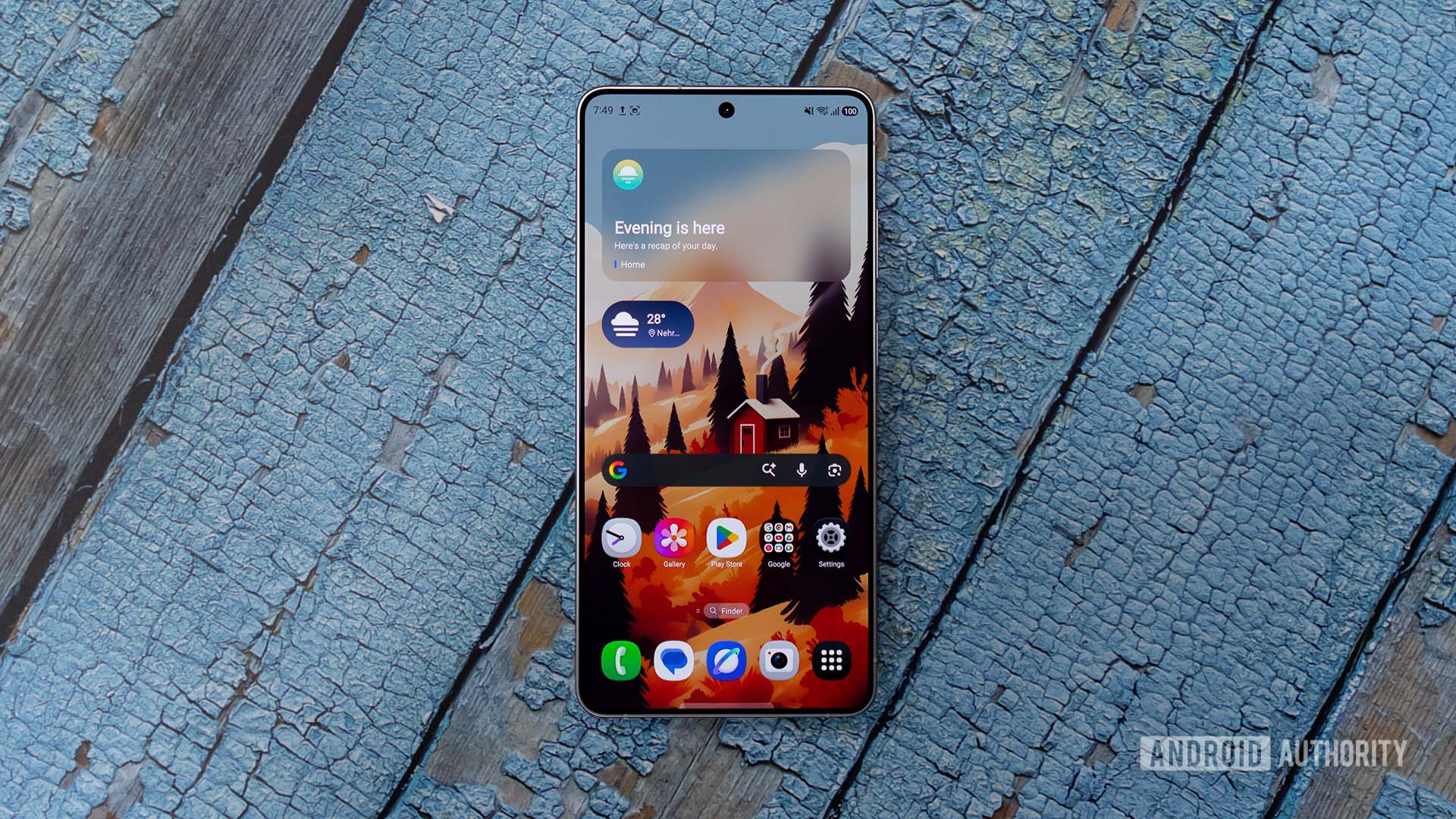
The S26 Ultra retains the iconic boxy silhouette that has defined Samsung's Note lineage. The materials are undeniably premium—titanium frame, Gorilla Glass Victus 4, and IP68 water resistance—but there's little here that screams 'new.' The S Pen slot remains, the camera housing's layout is nearly identical, and the weight distribution feels unchanged. It's a safe, refined design, but at this price point, consumers expect bold risks.
For more on how design impacts daily use, see the performance section.
Performance: Incremental Upgrades
Under the hood, the Snapdragon 8 Gen 4 chipset (or Exynos 2500 in some regions) offers marginal gains over last year's model. Benchmark scores are slightly higher, but real-world usage feels nearly identical—apps open instantly, multitasking is seamless, and gaming runs smoothly. However, thermal management hasn't significantly improved, and battery life mirrors the S23 Ultra. The 45W charging speed remains unchanged, trailing behind rivals like OnePlus and Xiaomi that have moved to 100W or more.
Display: Same Great Screen, No Big Changes
The 6.8-inch Dynamic AMOLED 2X panel is still one of the best in the industry, with vibrant colors, deep blacks, and smooth 120Hz refresh rate. But the peak brightness and LTPO technology are identical to last year's model. While the display is excellent, it doesn't advance the competition—it merely keeps pace.
Camera: More of the Same
The 200-megapixel main sensor returns with minor software tweaks. In good lighting, photos are superb—sharp, colorful, and consistent. In low light, improvements over the S23 Ultra are negligible. The periscope zoom lens still offers 10x optical zoom, but digital zoom beyond that shows the same softness. The selfie camera is unchanged. For a device costing as much as a laptop, the lack of camera evolution is disappointing.
Software and AI: Shared Features
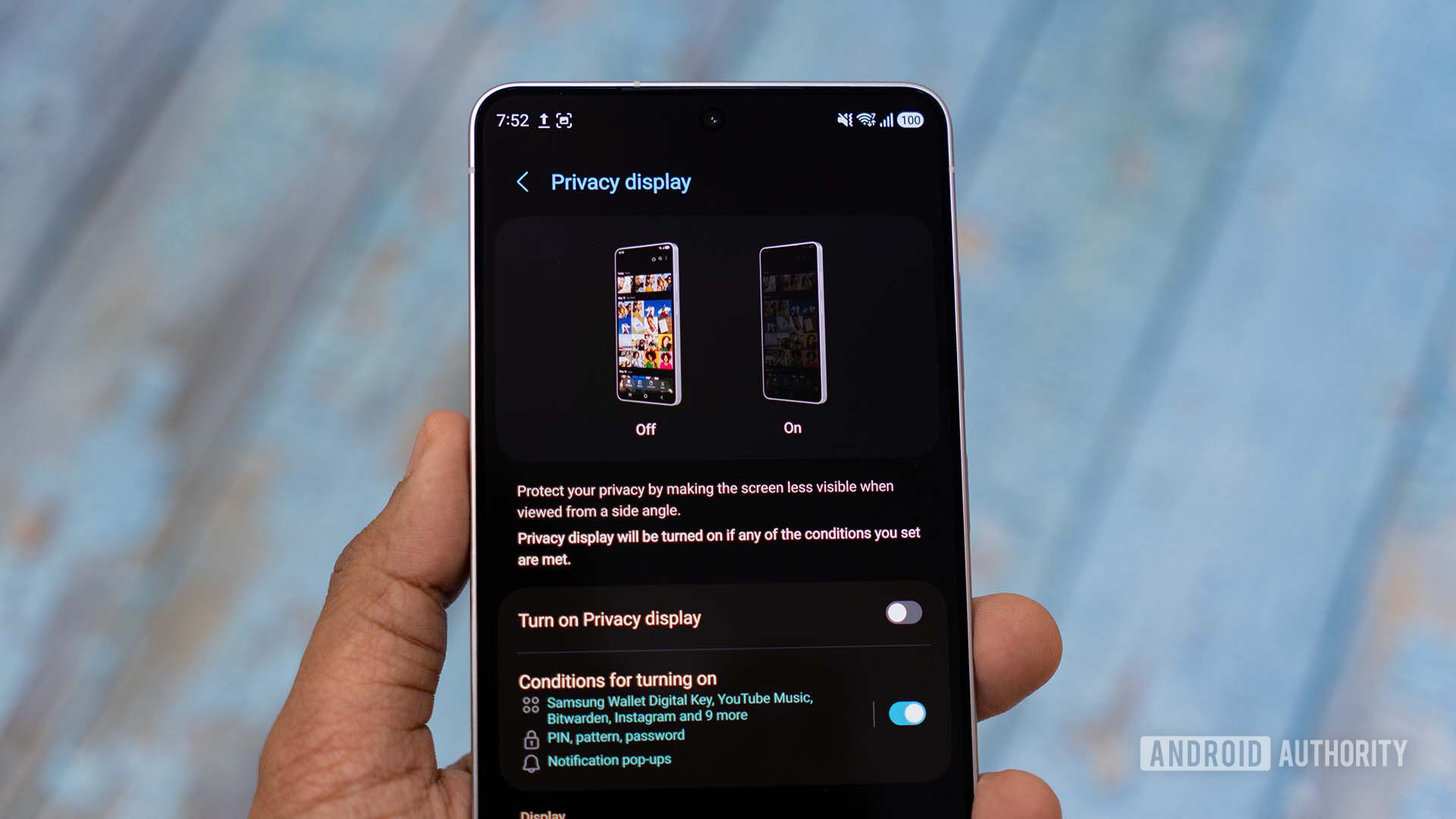
Samsung's One UI 6.1.1 based on Android 16 brings several AI-powered tools, such as real-time transcription and advanced photo editing. While useful, many of these features are rolling out to older devices via updates. The S26 Ultra doesn't have any exclusive software magic—it's the same experience you’ll get on an S23 Ultra in a few months.
Value Proposition: Paying for the Brand?
At $1,300, the S26 Ultra's price feels less like an R&D investment and more like a subsidy for Samsung's massive marketing machine. The hardware is iterative, the software is shared, and the innovations are minimal. If you can find a discounted S23 Ultra, you're getting 95% of the same experience for hundreds less. The so-called 'Ultra' branding now seems more about positioning than actual cutting-edge performance.
Conclusion: A Good Phone, But Not a True 'Ultra'
The Galaxy S26 Ultra is a competent flagship, but it fails to push the category forward. For those on a three- or four-year upgrade cycle, it's a solid choice. But for enthusiasts who expect 'Ultra' to mean relentless innovation, it's a letdown. At this price, Samsung needs to deliver more than a refreshed version of a two-year-old phone.