Can Smart Hydration Stop Kidney Stones from Returning? New Study Investigates
Introduction
Kidney stones are not just a one-time ordeal; for countless people, they become a recurring nightmare. The intense pain, the emergency room visits, and the costly treatments can take a significant toll. While staying well-hydrated has long been the cornerstone of prevention, many patients still struggle to drink enough fluids. But what if technology could bridge that gap? A massive new study explored whether a high-tech hydration program—featuring smart water bottles, personalized reminders, coaching, and even financial incentives—could help people actually meet their daily water goals and prevent kidney stones from forming again.
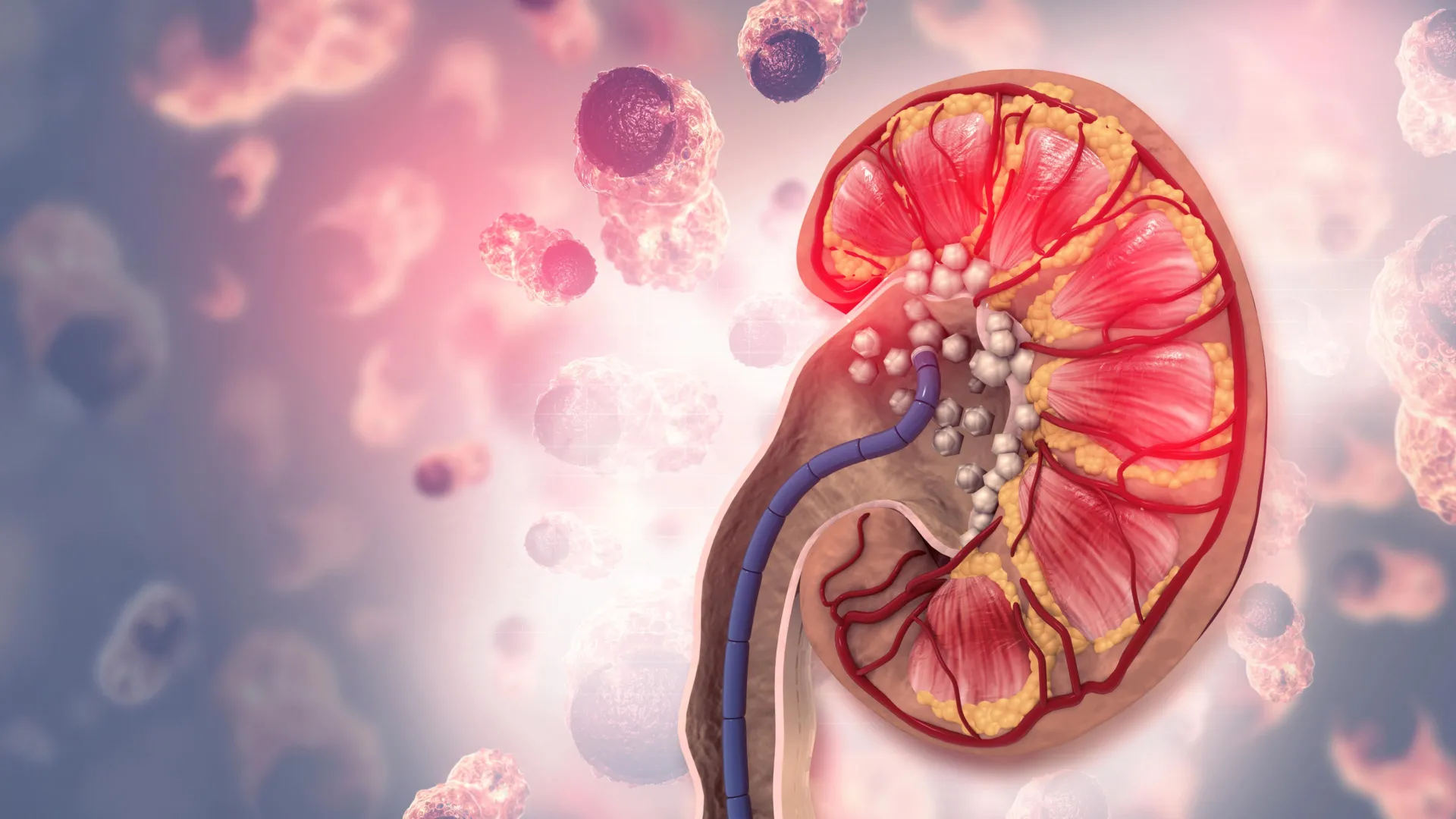
The Persistent Problem of Recurrent Kidney Stones
Kidney stones affect about one in ten people at some point in their lives, and recurrence is extremely common. Within five years of a first episode, up to 50% of patients will develop another stone. Standard medical advice urges patients to drink enough water to produce at least 2.5 liters of urine daily—yet adherence remains stubbornly low.
As Dr. Jennifer Tan, a nephrologist at a leading research hospital, explains: “Telling someone to drink more water is easy; helping them actually do it is the real challenge. Patients often forget, lose motivation, or simply underestimate how much they need to drink.” This gap between recommendation and real-world behavior sparked the idea for a more systematic, technology-driven approach.
The Study: A High-Tech Approach to Hydration
To test whether advanced tools could improve outcomes, researchers launched a large randomized controlled trial involving hundreds of patients with a history of kidney stones. Participants were divided into two groups: a control group receiving standard care and advice, and an intervention group enrolled in a comprehensive hydration program.
The intervention used smart water bottles that tracked every sip and synced with a mobile app. The app sent personalized reminders throughout the day and provided coaching tips on pacing fluid intake. To further motivate compliance, the program included financial incentives—small cash rewards for each week participants met their hydration targets.
The primary outcome measured was the rate of kidney stone recurrence over the next two years, along with changes in daily urine volume and hydration habits.
How the Program Worked in Practice
Each participant in the intervention group received a smart bottle at no cost. The bottle’s sensors detected when water was consumed and communicated the data via Bluetooth to a smartphone app. The app calculated remaining daily fluid needs based on the user’s body weight and activity level, then sent push notifications when intake lagged.
Coaching messages were tailored: some encouraged small, frequent sips; others offered tips like flavoring water or setting drinking cups in visible places. The financial incentive was modest but effective—participants earned up to $10 per week for hitting their targets, paid as a deposit into a study account.
“We weren’t trying to pay people to be healthy,” notes Dr. Michael Liu, the study’s lead author. “We simply wanted to provide immediate, tangible feedback and a short-term nudge to help form a sustainable habit.”
Results and Implications
After two years, the findings were striking. Participants in the high-tech hydration group showed a significantly lower rate of kidney stone recurrence compared to the control group. Their average daily urine volume increased by approximately 30%, and self-reported adherence to fluid goals improved dramatically.
However, the study also revealed important nuances. Not everyone benefited equally. Participants who already had high motivation at the start saw the greatest improvement, while those with multiple risk factors—such as obesity or a diet high in sodium—still faced elevated risks. Moreover, the effect of financial incentives diminished after the first few months, suggesting that long-term behavioral change requires more than a short-term reward.
The researchers emphasize that technology is a tool, not a cure. Smart bottles and reminders can nudge people toward better hydration, but they cannot replace dietary changes, medication adherence, and regular medical follow-up. Still, for many patients, this approach represents a major step forward.
Conclusion: A Smarter Way to Stay Hydrated?
This study demonstrates that a high-tech hydration program—combining smart monitoring, personalized coaching, and financial incentives—can help prevent recurrent kidney stones. While not a magic bullet, it offers a promising complement to existing prevention strategies. For patients who have struggled to stay hydrated despite best intentions, these tools may finally make the difference.
As the field of digital health continues to grow, similar programs could be adapted for other conditions where fluid intake matters—such as urinary tract infections, gout, or chronic kidney disease. For now, the takeaway is clear: drinking more water is easier said than done, but with the right support, it can become a lifelong habit.