A New Name for PCOS: Ending Decades of Misdiagnosis and Stigma
The Long-Awaited Renaming of PCOS
For decades, millions of people living with Polycystic Ovary Syndrome (PCOS) have faced not only the physical challenges of the condition but also a frustrating battle for recognition and accurate diagnosis. Now, after years of advocacy and mounting evidence, the medical community has officially renamed PCOS—a move that experts and patients alike hope will finally correct a long history of misinformation and dismissive care.
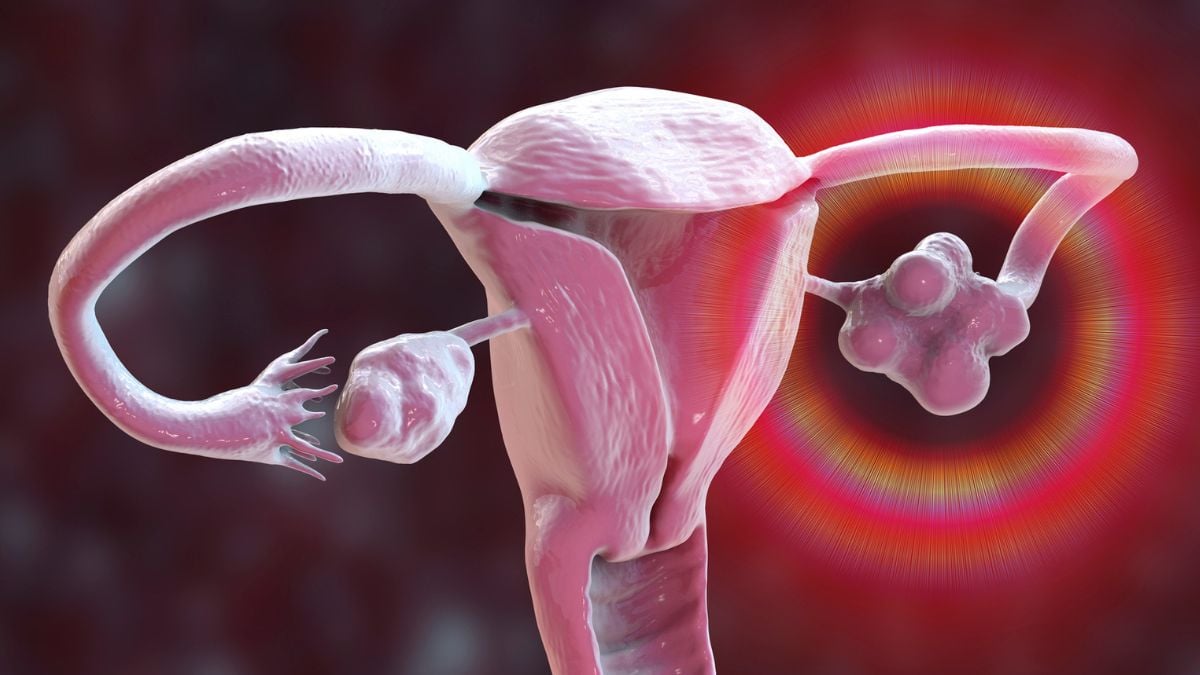
The decision, announced by leading endocrinology and gynecology organizations, replaces the outdated label with a more precise diagnostic term that reflects the condition's complex metabolic and reproductive origins. As one patient advocate put it, Those of us living with this condition have had to 'fight' for diagnosis,
underscoring the toll that a misnamed syndrome has taken on individual health journeys.
Why the Name Change Matters
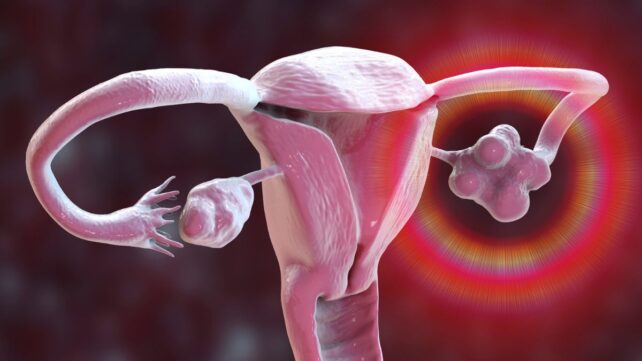
The original name, 'Polycystic Ovary Syndrome,' has been criticized for decades because it focuses on ovarian cysts—a feature that is neither universal nor necessary for diagnosis. In reality, PCOS is a systemic hormonal disorder that affects metabolism, insulin resistance, inflammation, and fertility. The new name more accurately captures this broader picture, aiming to reduce confusion among both patients and clinicians.
Research has shown that up to 70% of women with PCOS remain undiagnosed, partly because the name leads doctors to look for cysts that may not be present. By replacing the term, the medical establishment hopes to shift the diagnostic focus to the underlying hormonal and metabolic imbalances, ultimately improving early detection and treatment options.
The Patient Struggle for Diagnosis: A Legacy of Misinformation
For years, patients have reported being told their symptoms were in their head
or simply due to stress. The old name contributed to a cycle of misinformation that downplayed the seriousness of the condition. Many women spent years visiting multiple specialists before receiving a correct diagnosis, often after experiencing severe symptoms like irregular periods, weight gain, acne, and fertility issues.
The patient advocacy movement has been crucial in driving this change. Online communities and support groups gathered thousands of testimonials, pushing professional societies to reconsider the terminology. As one endocrinologist noted, Language matters in medicine. A name that minimizes the systemic nature of the disorder leads to inadequate care.
What the New Name Means for Healthcare
The renaming is not just a symbolic gesture—it carries practical implications for how PCOS is taught in medical schools, how insurance codes are structured, and how research funding is allocated. With a more accurate diagnostic label, researchers hope to attract greater attention to the condition, which currently affects an estimated 1 in 10 women of reproductive age worldwide.
- Better diagnostic criteria: The new name comes with updated guidelines that emphasize blood tests and symptom assessment over ultrasound findings.
- Improved patient education: Clinicians can now use terminology that aligns with the lived experience of patients, making conversations about treatment more transparent.
- Reduced stigma: By moving away from the ovary-centric label, the condition is framed as a whole-body disorder, which may lessen the shame often associated with reproductive health issues.
Looking Ahead: Implementation and Advocacy
The transition will not happen overnight. Medical textbooks, ICD-10 codes, and patient materials need to be updated. Professional organizations have pledged to provide resources to help doctors and patients adapt to the new terminology over the next 12 to 24 months.
Advocacy groups are already planning awareness campaigns to educate the public and ensure that the name change translates into better care. Patients are encouraged to discuss the new diagnosis name with their healthcare providers and to share their stories to reinforce the importance of listening to those who live with the condition.
The journey from misdiagnosis to accurate recognition has been long, but the official renaming marks a pivotal moment. As one patient wrote, Finally, the medical world hears us. We are not just a set of cysts—we are people with a real, treatable condition.
For further insights on how this change affects treatment options, read our section on the patient struggle for diagnosis.