The Role of SPIFFE in Establishing Trust for Autonomous AI and Non-Human Entities
Introduction
As artificial intelligence systems evolve into highly autonomous and agentic forms, the need to verify their identity and ensure trust becomes a pressing concern. Traditional authentication methods designed for human users or static credentials often fall short when applied to dynamic, short-lived, and non-human entities like AI agents, bots, and robotic systems. The SPIFFE (Secure Production Identity Framework For Everyone) identity framework emerges as a robust, battle-tested solution tailored to this challenge. Originally developed for cloud-native microservices, SPIFFE provides a standardized way to issue and validate cryptographically verifiable identities without relying on long-lived secrets such as passwords or API keys. This article explores how SPIFFE addresses the identity needs of agentic AI and other non-human actors, enabling secure interactions in increasingly complex environments.
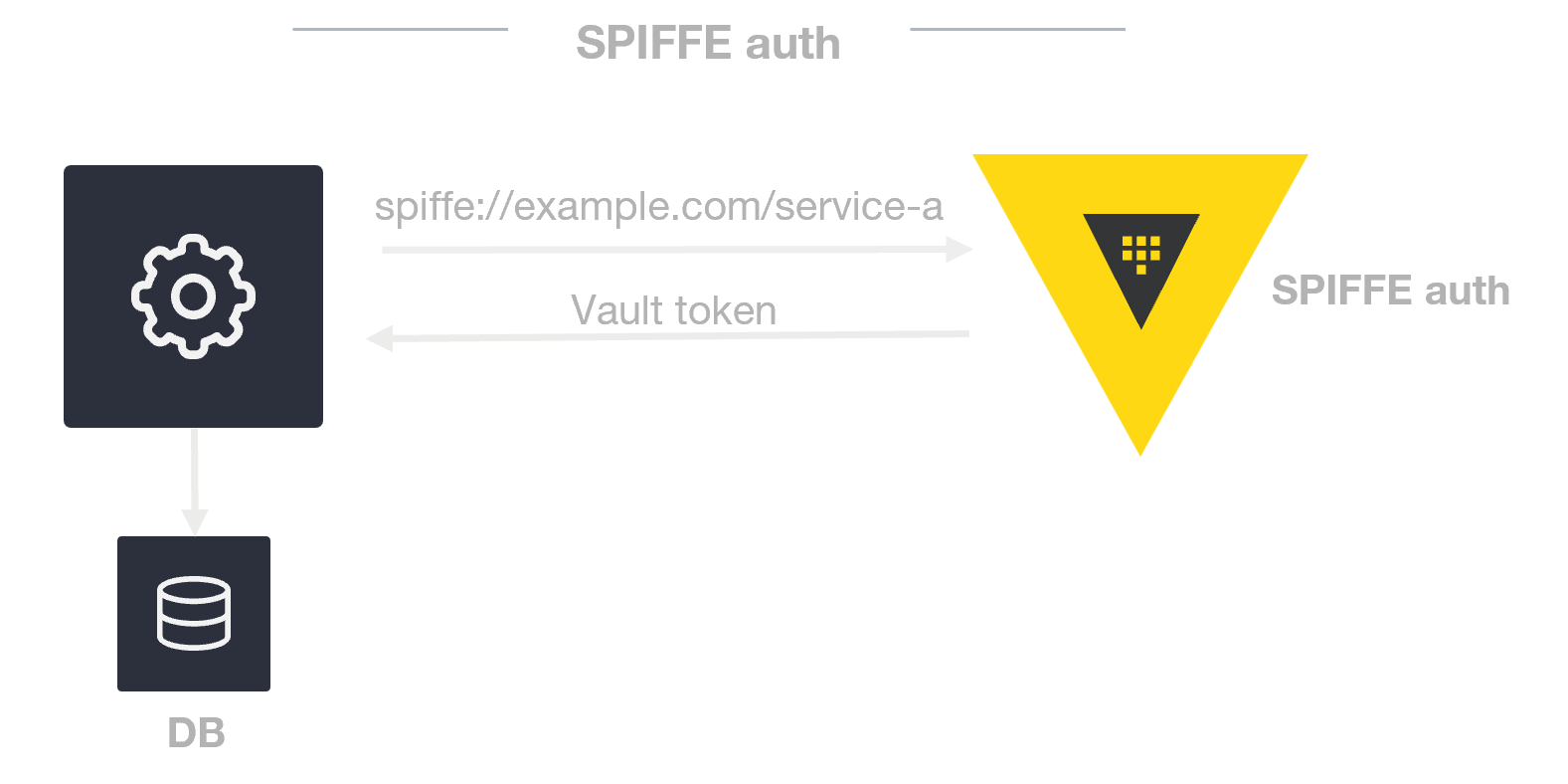
What Is SPIFFE?
SPIFFE is an open standard that defines a secure identity framework for workloads. In cloud-native environments, it allows each service or process to obtain a unique SPIFFE ID that serves as a cryptographically verifiable identity. Key capabilities include:
- Workload identity: Every service or process receives a distinct identity tied to its workload, not to any human user.
- Federated trust: Identities can be validated across different organizations, clouds, and trust domains, enabling secure cross-boundary interactions.
- Dynamic credentialing: Identities are automatically issued, rotated, and revoked, reducing the risk of credential leaks and simplifying lifecycle management.
By abstracting identity away from static secrets, SPIFFE aligns perfectly with the requirements of modern, ephemeral AI systems.
Why SPIFFE Matters for Agentic AI
Agentic AI systems—such as autonomous agents, LLM-powered bots, or robotic swarms—operate independently, make decisions, and interact with other services or agents. They need to:
- Prove their identity to other systems before exchanging data or executing actions.
- Establish trust in multi-agent environments where entities may come from different origins.
- Operate securely across networks, clouds, and organizational boundaries.
SPIFFE provides a solid foundation for these requirements through several core features.
1. Verifiable Non-Human Identity
SPIFFE IDs are inherently tied to workloads, not people, making them ideal for non-human actors. Each AI agent can be issued a unique SPIFFE ID that cryptographically proves its origin, intended capabilities, and trust level. This eliminates the need for shared secrets or human-managed credentials, reducing the attack surface and simplifying identity management at scale.
2. Zero Trust Architecture
In a zero trust model, no entity—human or machine—is trusted by default. SPIFFE enables mutual TLS (mTLS) between agents, ensuring that every interaction is both authenticated and encrypted. This prevents impersonation and unauthorized access in AI-driven systems, where malicious actors might attempt to hijack an agent’s identity to cause harm or exfiltrate data.
3. Federation Across Domains
Agentic AI systems often span multiple clouds, organizations, or networks. SPIFFE’s federation model allows identities from one trust domain to be validated in another, enabling secure collaboration between agents operating in different environments. This cross-domain trust is critical for applications like multi-cloud orchestration or collaborative AI ecosystems.
4. Dynamic Identity Lifecycle
AI agents are frequently spun up and decommissioned at high speed. SPIFFE supports ephemeral identities that match this pace with automatic rotation and revocation. Short-lived credentials limit the window of opportunity for attackers and reduce operational overhead. The framework’s ability to handle rapid identity issuance and expiry is a natural fit for elastic, containerized workloads.
Use Case: AI Agents in a Multi-Agent System
Consider a swarm of AI agents coordinating to manage a smart city’s infrastructure—traffic lights, energy grids, and emergency response systems. Each agent must:
- Authenticate itself to other agents to ensure it belongs to the legitimate swarm.
- Prove it has the authority to perform specific actions (e.g., adjusting traffic signals).
- Securely communicate sensitive data like real-time sensor readings.
With SPIFFE, every agent receives a unique identity and a set of attestation documents. Using mTLS, agents can mutually authenticate before any action, and SPIFFE’s federation capabilities allow agents from different city departments (e.g., transportation and energy) to trust each other even if they operate in separate trust domains. The dynamic lifecycle ensures that compromised agents can be quickly revoked and replaced without manual intervention.
Conclusion
SPIFFE offers a mature, open-standard approach to identity that addresses the unique challenges posed by autonomous AI and non-human actors. By providing verifiable workload identities, enabling zero trust architectures, supporting federation, and managing dynamic lifecycles, SPIFFE empowers organizations to build secure, scalable AI systems. As agentic AI continues to proliferate, adopting frameworks like SPIFFE will become essential for maintaining trust and security in a world where machines increasingly act on their own behalf.