How Semiconductor Giants Can Prevent Billion-Dollar Strikes: A Step-by-Step Crisis Management Guide
Introduction
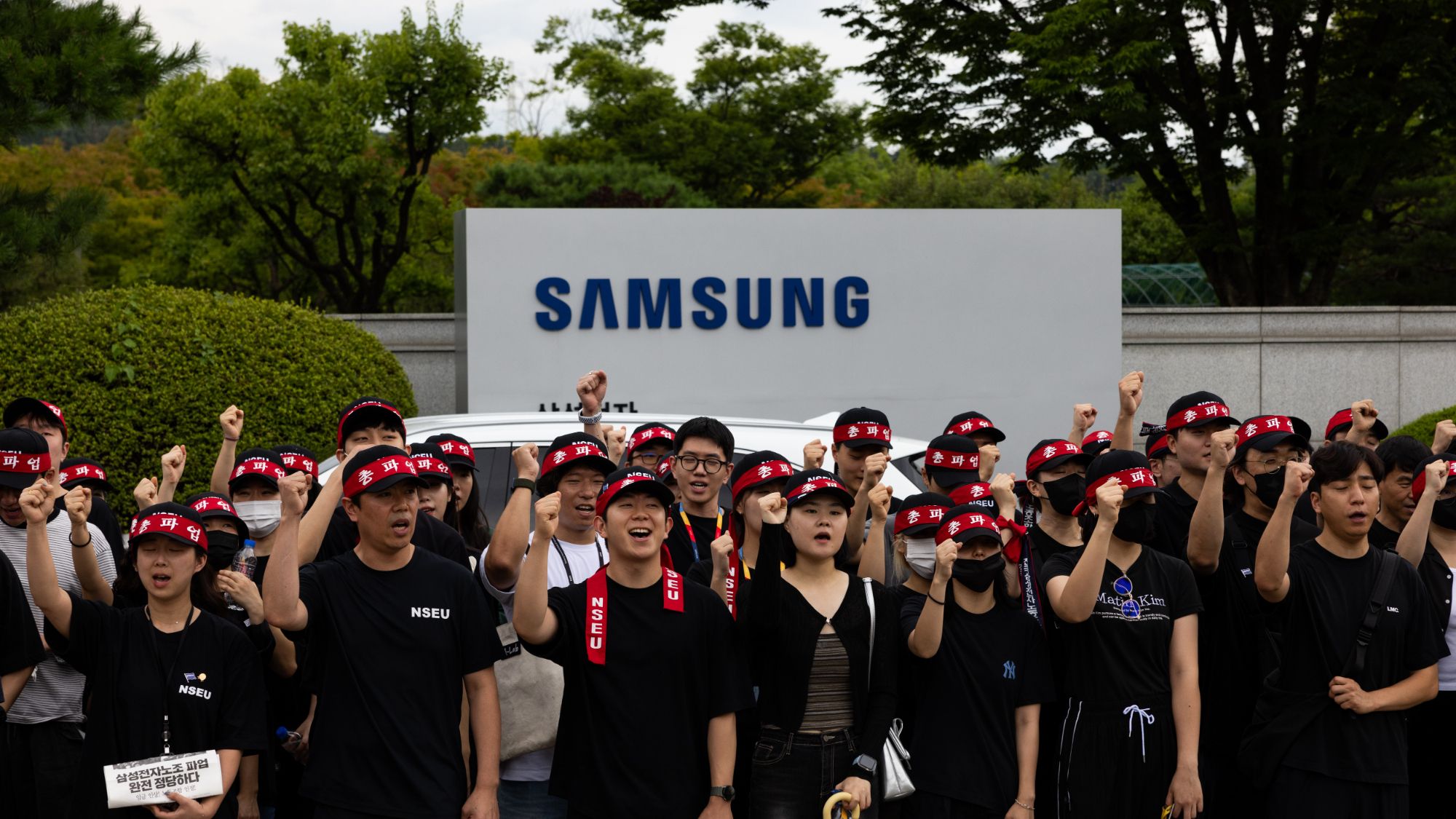
When a major chip manufacturer like Samsung faces an 18-day strike that could cost $20 billion and disrupt HBM (High Bandwidth Memory) production, the stakes couldn't be higher. In early 2024, Samsung's management and union engaged in tense talks mediated by South Korea's National Labor Relations Commission after earlier rounds failed in February and March. This real-world scenario offers a powerful blueprint for how companies can avert similar industrial action. This step-by-step guide uses Samsung's crisis as a case study to help you navigate union negotiations, leverage government mediation, and protect critical production lines.
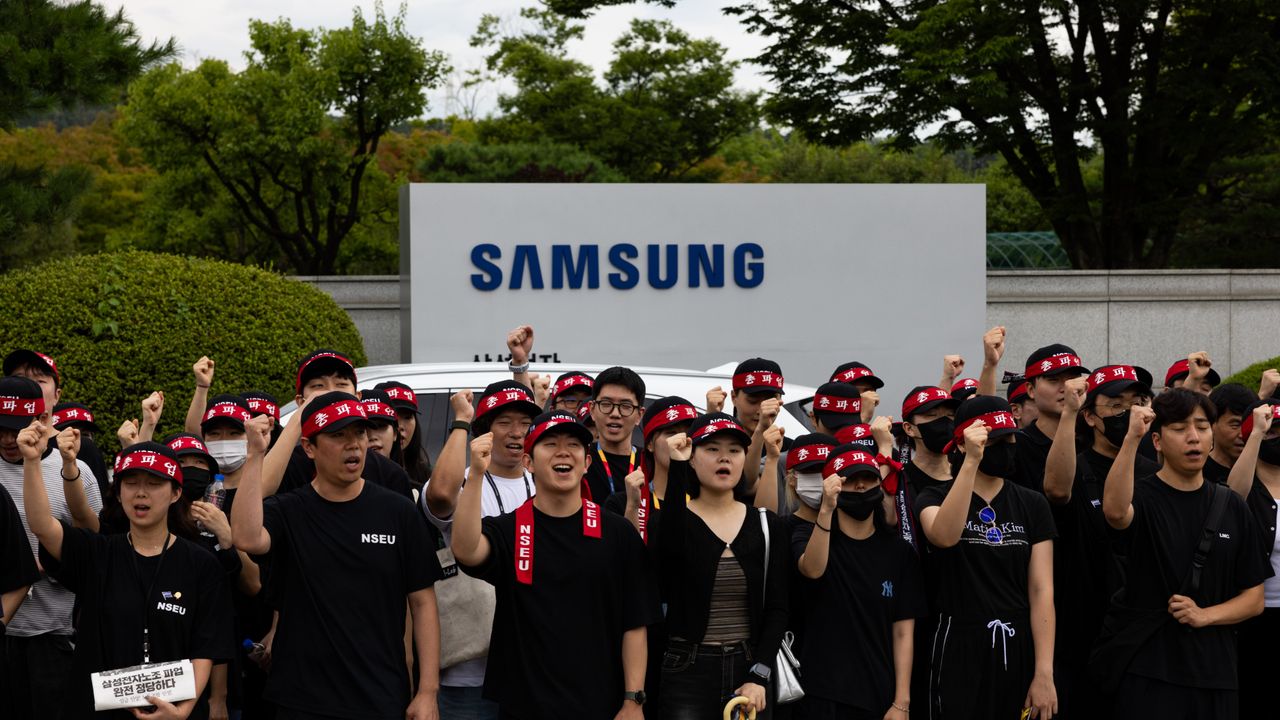
Table of Contents
- What You Need
- Step 1: Assess the True Cost of a Strike
- Step 2: Initiate Early Mediation Channels
- Step 3: Escalate to Government-Mediated Summit
- Step 4: Focus on Critical Production Areas
- Step 5: Craft a Last-Minute Compromise
- Step 6: Communicate Transparently with All Stakeholders
- Step 7: Seal the Deal and Monitor Implementation
- Tips for Long-Term Success
What You Need
Before diving into the steps, assemble these essential resources and prerequisites:
- A dedicated negotiation team from both management and union leadership.
- Real-time production and financial data to quantify strike impact (e.g., Samsung's $20 billion estimate).
- Government mediator contact—ideally from the national labor relations board (like South Korea's NLR Commission).
- Backup production schedules for key products (HBM, DRAM, etc.).
- Crisis communication plan to reassure investors, customers, and employees.
- Legal counsel familiar with labor laws and strike contingencies.
Step 1: Assess the True Cost of a Strike
Before entering any negotiation, quantify the financial and operational damage a strike would cause. In Samsung's case, a potential 18-day walkout threatened to halt HBM production—a key component for AI accelerators—leading to losses upward of $20 billion. Use internal data to map out: daily revenue at risk, supply chain bottlenecks, customer contract penalties, and long-term reputational harm. Present these numbers clearly to both sides to create urgency.
Step 2: Initiate Early Mediation Channels
Don't wait until the strike deadline. Samsung attempted mediation in February and March, but those rounds collapsed. Start with informal talks, then move to formal mediation via a neutral third party. If direct negotiation fails, involve a national labor relations body. The key is to establish a documented process early, showing good faith and a willingness to compromise.
Step 3: Escalate to Government-Mediated Summit
When earlier rounds fail, escalate to a government-mediated summit. Samsung and its union met through South Korea's National Labor Relations Commission for desperate final talks. This high-level intervention brings political weight and additional resources to the table. Prepare a concise briefing for the mediator outlining the core disagreements (e.g., wages, hours, working conditions) and the proposed solutions from both parties.
Step 4: Focus on Critical Production Areas
During the summit, prioritize the most vulnerable production lines. For Samsung, the focus was HBM production, which is crucial for AI chip orders. Identify your company's equivalent—whether it's a new chip node, a high-margin product, or a facility serving a major client. By narrowing the scope, you can craft targeted agreements that protect revenue while addressing union concerns.
Step 5: Craft a Last-Minute Compromise
With the clock ticking, propose a concrete compromise that addresses the union's core demands without crippling the business. This might include phased wage increases, improved safety measures, or profit-sharing tied to HBM sales. Use the data from Step 1 to show the mutual benefits of a deal versus a strike. Emphasize that a strike would harm both workers and the company, while a negotiated settlement can preserve jobs and long-term growth.
Step 6: Communicate Transparently with All Stakeholders
During tense negotiations, rumors can spiral. Maintain a clear, consistent message to employees, investors, and the media. Acknowledge the talks, express optimism, and explain the potential consequences if no deal is reached. Samsung's situation attracted global attention—transparency helped prevent panic and kept the pressure on both sides to resolve the dispute.
Step 7: Seal the Deal and Monitor Implementation
Once a preliminary agreement is reached, formalize it with signatures and a detailed implementation timeline. Include clauses for dispute resolution to avoid future breakdowns. After the deal, hold regular check-ins to ensure compliance, especially on HBM production targets. A successful resolution not only averts a strike but also strengthens the union-management relationship for years to come.
Tips for Long-Term Success
- Proactive culture: Encourage open-door policies and regular labor-management committees to catch issues early.
- Benchmark industry standards: Stay aligned with peer companies on wages and benefits to reduce friction.
- Use technology: Track production data in real time to quickly adjust negotiations based on capacity.
- Document everything: Maintain records of all mediation sessions to avoid legal disputes later.
- Plan for the worst: Have a contingency plan if a strike does occur—cross-training staff, stockpiling inventory, and securing alternative suppliers.
By following these steps based on the real Samsung case, your organization can navigate even the most desperate union talks and keep the factory floors running. Remember, the goal is not just to avoid a strike, but to build a resilient partnership that withstands future challenges.