Paradox in the Outback: One Nation’s Anti-Renewable Stance in Australia’s Renewable Heartland
The Farrer Seat and Its Renewable Riches
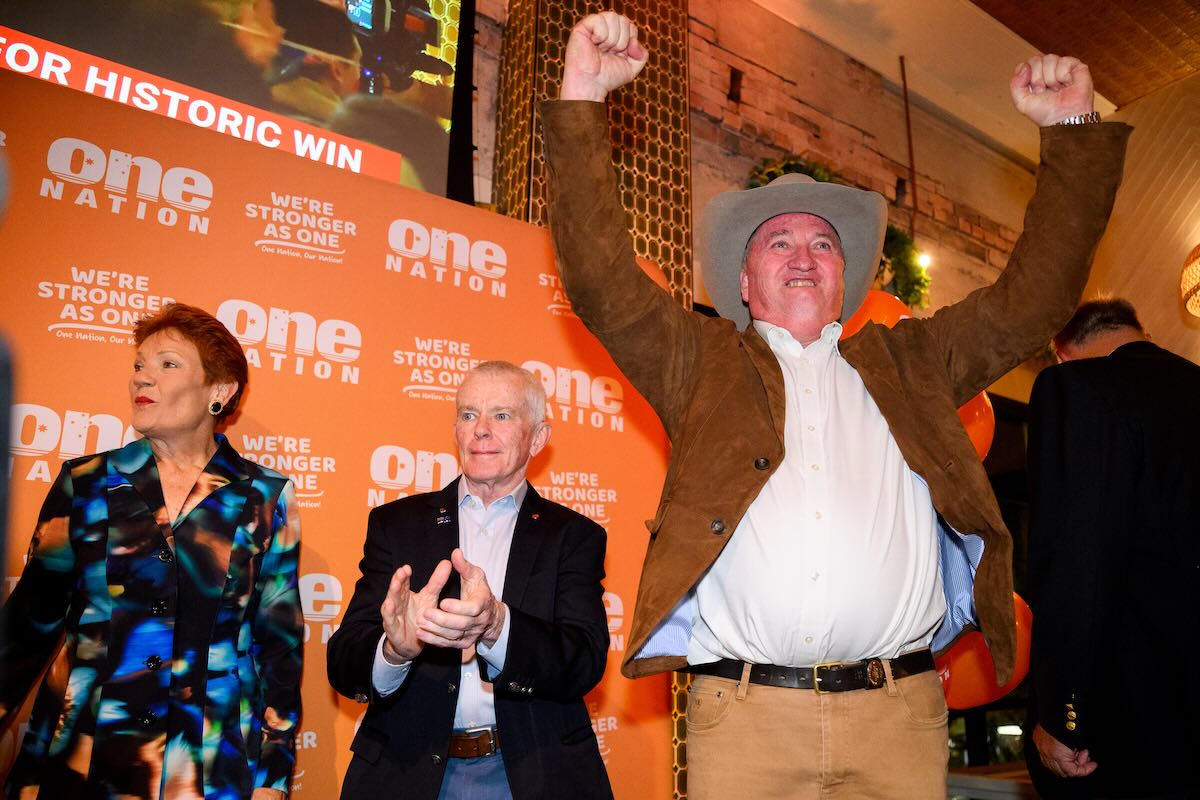
Australia’s political landscape often throws up ironies, but few are as stark as the recent victory of Pauline Hanson’s One Nation party in the seat of Farrer. This rural New South Wales electorate, long considered a stronghold for the Nationals, has now elected a One Nation MP, placing the party squarely in the middle of two of the nation’s most promising wind and solar regions. Yet the party’s energy policy remains firmly opposed to renewables, advocating instead for coal, gas, and nuclear power.
Why Farrer is a Prime Location for Clean Energy
Farrer encompasses areas like the Riverina and stretches west toward the South Australian border. Its flat, sun-drenched plains and consistent wind patterns make it ideal for solar farms and wind turbines. According to the Clean Energy Council, the region has attracted hundreds of millions in investment for projects such as the Finley Solar Farm and the Riverina Wind Farm. With some of the highest solar irradiation levels in the country, Farrer is a key part of Australia’s renewable energy future. The irony is that the voters who backed One Nation also benefit from the jobs and income these projects generate.
One Nation’s Energy Vision – Coal, Gas, and Nuclear
One Nation has been one of the most vocal critics of renewable energy in federal politics. Senator Pauline Hanson has repeatedly called wind turbines “ugly, noisy, and inefficient” and claimed that solar power cannot provide baseload electricity. The party’s official policy platform calls for:
- Coal-fired power stations to remain operational well beyond their intended retirement dates.
- Expanded natural gas extraction as a bridge fuel.
- Nuclear energy as a long-term solution, despite a current Australian moratorium.
This stance is at odds with overwhelming scientific consensus and the rapid global shift toward renewables. Yet One Nation’s new MP for Farrer, by representing a renewable-rich area, now faces an awkward contradiction.
The Irony of Representation
Imagine representing a constituency that could be a poster child for the green energy transition, while simultaneously campaigning to halt that very progress. That is the situation One Nation now finds itself in. The party’s MPs sit in the heart of two of Australia’s best wind and solar regions – the other being the Kennedy electorate in Queensland, also held by a One Nation senator. Locals in Farrer who work in renewable construction or maintenance may wonder if their new representative intends to pull the rug from under their livelihoods.
Implications for Australia’s Energy Transition
Political representation matters. If One Nation uses its platform to obstruct renewable projects in these regions, it could slow Australia’s decarbonisation efforts at a time when urgent action is needed. The implications are far-reaching:
- Investment uncertainty: Developers may hesitate to commit funds to projects in electorates where the local MP is openly hostile to renewables.
- Community division: The clean energy sector provides significant employment in rural areas; opposing it pits ideological dogma against economic reality.
- National energy security: Relying on ageing coal plants and expensive nuclear proposals could leave Australia less prepared to meet demand during heatwaves.
What This Means for Voters and Investors
For voters in Farrer, the election of One Nation may appear to be a protest against the major parties, but it also carries real consequences for local energy policy. Investors in large-scale solar and wind should monitor how the new MP votes on related legislation. While one representative cannot block a project outright, they can influence community sentiment and media narratives.
On the other side, fossil fuel advocates within One Nation see an opportunity to push for new coal and gas projects in the region. However, the economic viability of such ventures is increasingly challenged by cheaper renewables and stricter emissions regulations. The party may find that even in its heartland, market forces are moving faster than political rhetoric.
Conclusion
The One Nation party now holds a unique and contradictory position: it represents two of Australia’s most promising renewable energy zones while pledging to dismantle the very industry that sustains them. As the energy transition accelerates, this paradox will likely come into sharper focus. Whether the party modifies its stance or clings to its fossil-fuel ideals remains to be seen. What is clear is that the voters of Farrer and Kennedy have sent a complex message – one that pits clean-energy jobs against anti-renewable populism.