Steering into the Electric Future: A Strategic Guide to Japanese Motorcycle Giants' Electrification Journey
Overview
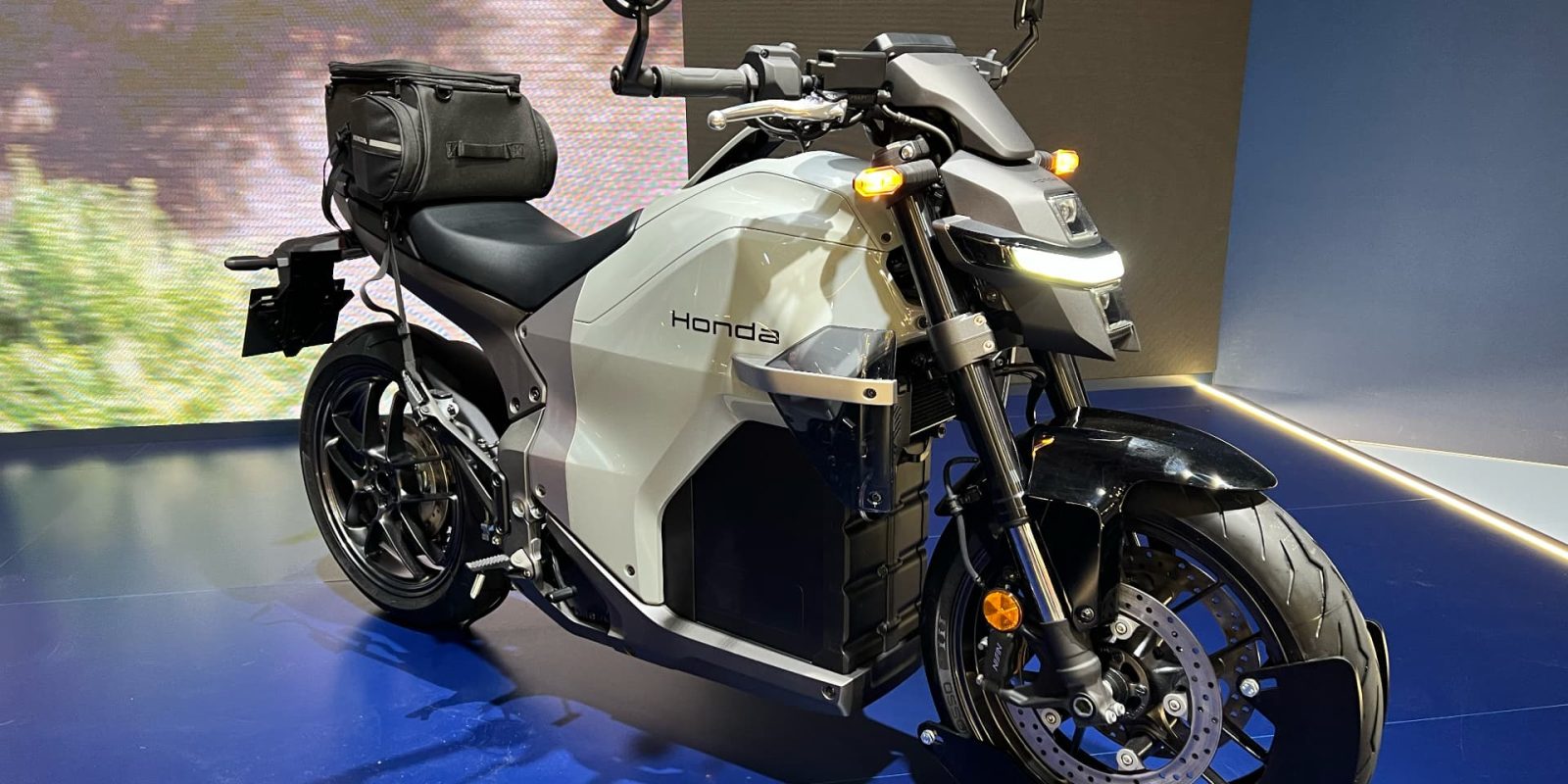
For years, the electric motorcycle revolution seemed dominated by startups and legacy automaker spinoffs. But a quieter, more deliberate shift has been underway in Japan. Honda, Yamaha, Kawasaki, and Suzuki—collectively known as the 'Big Four' of Japanese motorcycling—are not merely dabbling in electrification. They are systematically building the infrastructure, technology, and product roadmaps needed to compete in a zero-emission world. This guide provides a structured, step-by-step look at how these iconic manufacturers are racing towards electric motorcycles, breaking down their strategies into actionable insights for enthusiasts, investors, and industry watchers.
Prerequisites
- Basic understanding of motorcycle industry dynamics (OEM, supply chain, distribution).
- Familiarity with battery-electric vehicle (BEV) concepts: kWh, range, charging infrastructure.
- Access to public financial reports and press releases from Honda, Yamaha, Kawasaki, Suzuki (optional but helpful).
- No prior knowledge of Japanese corporate culture required, but awareness of long-term planning ('kaizen') is beneficial.
Step-by-Step Strategy Execution
Step 1: Establish Platform and Partnership Foundations (2018-2022)
Japanese manufacturers began by sharing R&D costs and creating joint ventures. In 2021, Honda, Yamaha, Kawasaki, and Suzuki formed the Gachako (Japanese for 'swappable battery') consortium—officially the Honda, Yamaha, Kawasaki, Suzuki Electric Motorcycle Exchange Battery Consortium. This step standardized battery packs to promote interoperability and reduce consumer range anxiety.
Code-like detail: The consortium defined a common battery module: 1 kWh capacity, 48V nominal voltage, and a standardized connector interface. Forklift-like swap stations are designed to accept any brand's pack. This mirrors how Sony and Panasonic collaborated on the 18650 cell format—except here, the entire ecosystem is being harmonized.
Internal anchor: Skip to Step 2
Step 2: Develop First-Mover Consumer Models (2022-2024)
Honda launched the EM1 e: in 2023, a 50cc-equivalent scooter with a 1.7 kWh swappable battery. Yamaha followed with the E01 (125cc equivalent) in 2024, using the same battery standard but with a larger 4.3 kWh fixed pack. Kawasaki introduced the Ninja e‑1 and Z e‑1 in 2024, featuring a 4.6 kWh battery and 11 kW motor—their first performance-oriented electric models.
These models are not mass-market yet; they serve as technology demonstrators and data collectors. Manufacturers are studying real-world usage patterns to refine battery management systems (BMS) and charging curves.
Internal anchor: Continue to Step 3
Step 3: Scale Production and Supply Chain (2024-2027)
All four companies are investing in dedicated electric motorcycle production lines. Honda announced a new EV factory in Kumamoto (Japan) with capacity for 500,000 units/year by 2025. Yamaha retooled its Iwata plant to produce electric drive units. Kawasaki partnered with Envision AESC for battery cell supply, securing 20 GWh/year from 2026.
Key metric: The target is to achieve a 30% cost reduction per kWh by 2027 compared to 2023 levels, mainly through vertical integration and scale economies. This is tracked via quarterly investor reports.
Internal anchor: Proceed to Step 4
Step 4: Expand Model Range and Performance Tiers (2027-2030)
The next phase will introduce high-performance superbikes. Honda is developing a CB750 Electric concept (provisional name) with 100 hp and a 250 km range. Yamaha has trademarked Hyper-E for a sports tourer. Suzuki has shown the Burgman Electric maxi-scooter. Kawasaki expects to release a 200+ hp electric superbike by 2028.

Data point: These performance models will use 800V architecture to enable 350 kW fast charging (20-80% in 15 minutes). The consortium's swappable battery standard will evolve to a high-power version (5 kWh, 800V).
Internal anchor: Read Step 5
Step 5: Build Charging and Swap Infrastructure (2025-2030)
Japan plans to install 20,000 battery swap stations by 2030, primarily at convenience stores and gas stations. The government is providing subsidies (up to 50% of installation cost). Honda will launch a subscription service: users pay a monthly fee for unlimited battery swaps, simplifying ownership.
Code-like snippet: If vehicle_type == 'scooter' AND subscription_status == 'active': allow swap every 48 hours; else: charge per swap = 500 yen.
Internal anchor: Jump to Common Mistakes
Common Mistakes
- Mistake 1: Expecting instant high-performance models. Japanese strategy is gradual—first utility, then sport. Rushing to superbikes before infrastructure is mature can harm brand reputation.
- Mistake 2: Ignoring the swappable battery ecosystem. Competitors that develop proprietary systems will face higher costs and slower adoption vs. the consortium standard.
- Mistake 3: Underestimating government policy influence. Japan’s carbon neutrality target (2050) may accelerate timelines. Investors should monitor subsidies and emission regulations closely.
- Mistake 4: Assuming ICE sales will drop linearly. Japanese OEMs will maintain hybrid and small-displacement combustion engines for decades in emerging markets—electrification is additive, not purely replacement.
- Mistake 5: Overlooking aftermarket and parts supply. Electric motorcycles have fewer moving parts but require specialized electronics. Dealerships need retraining; remanufacturing for batteries becomes a new revenue stream.
Summary
The Japanese Big Four are sprinting towards electrification with characteristic discipline: shared standards, phased product launches, and infrastructure partnerships. From the Gachako consortium’s swappable batteries to the 2030 vision of 20k swap stations, their roadmap balances risk and innovation. For stakeholders, the key takeaway is patience—the payoff will be a robust, interoperable ecosystem that rivals any startup’s flashy debut. Following this guide’s five steps will help you track and understand their progress.