Elevate Your Game: The ESP32 Split-Flap Chess Board Revolution
Chess has a storied relationship with technology, from the early AI battles of the 1990s to today's ubiquitous online engines. But one maker has brought a fresh twist to the classic game with an ESP32-powered split-flap chess board. This guide answers your top questions about this ingenious creation.
What exactly is a split-flap chess board?
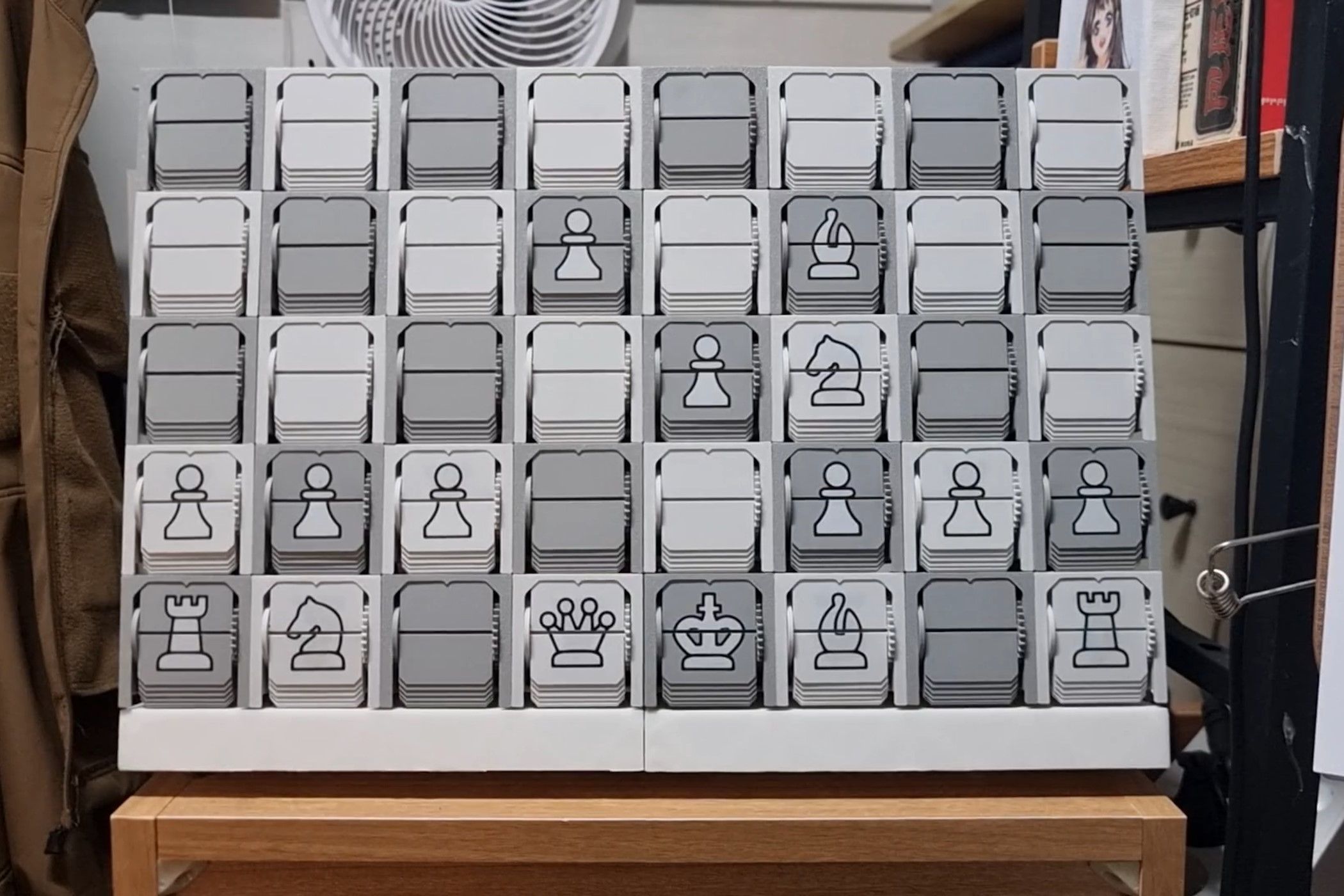
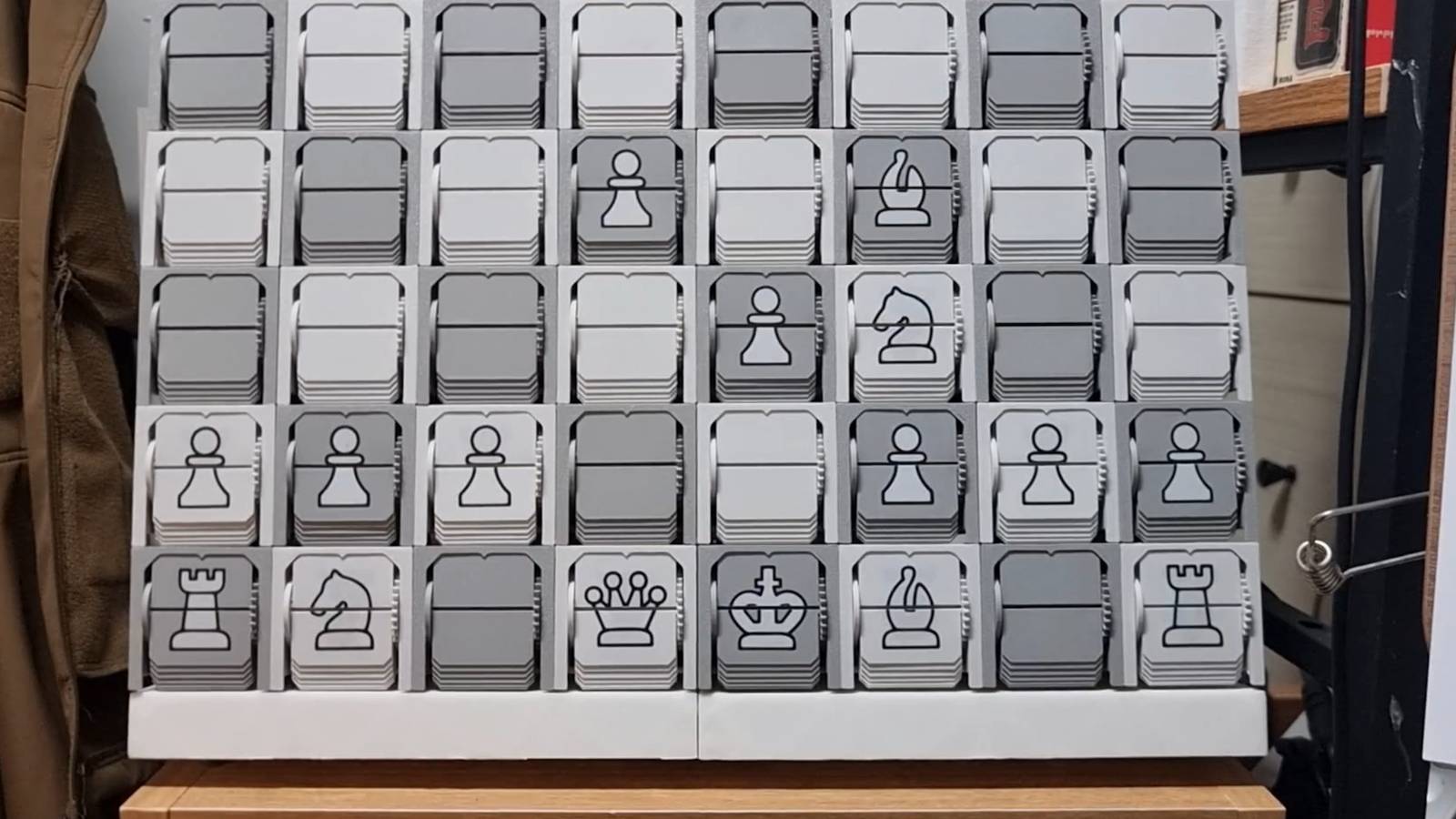
A split-flap chess board replaces traditional chess pieces with a physical display made of rotating flaps. Each flap has two sides—one black, one white—that flip over to show the piece’s color and type. The board uses an ESP32 microcontroller to control the flaps, syncing with a digital chess engine for automatic moves. It’s a blend of retro signage technology and modern IoT, offering a tactile, visually engaging way to play without screens.
How does the ESP32 control the board?
The ESP32 acts as the brain of the board. It connects via Wi-Fi to a chess AI or online platform, receives move data, and then activates servo motors to flip the appropriate flaps. Each square on the board has its own flap mechanism, so the ESP32 must precisely coordinate timing and power. The microcontroller’s low cost and built-in wireless make it ideal for this kind of electromechanical project.
Why choose split-flap over an LED board?
Split-flap displays have a unique kinetic charm. Unlike glowing LEDs, they produce a soft mechanical click with each move, mimicking vintage train station boards. This analogue feel appeals to purists and hobbyists who want a sensory experience—sight and sound—rather than just visual feedback. Plus, flaps are readable in bright light and don’t suffer from screen glare during long matches.
Can I integrate modern chess AI with this board?
Absolutely. The ESP32 runs firmware that can interface with popular chess engines like Stockfish or online services. You can play against the AI locally, or connect to platforms like Lichess to challenge remote opponents. The board will automatically show the AI’s moves, and you input your moves by manually flipping flaps or using a companion app. History repeats: just as 90s AI supercomputers amazed us, now a tiny ESP32 delivers powerful play in a physical form.
Is this a DIY project or can I buy one?
Currently, it’s primarily a DIY project. The maker community shares schematics and 3D print files for the flap mechanisms, servo motors, and PCB designs. You’ll need soldering skills and access to a 3D printer. However, some crafters sell limited kits online. Expect to spend a weekend assembling and programming the ESP32. The payoff is a one-of-a-kind conversation piece that elevates every game night.
What future enhancements are possible?
Enthusiasts are experimenting with adding sound effects for each piece type, RGB underlighting on checkmate, and even a full-sized tournament board. Since the ESP32 is programmable, you could add OTA (over-the-air) updates, train your own neural network, or integrate a clock module. The split-flap design is also scalable—imagine a wall-mounted display for real-time tournament coverage.
How can I start building my own?
Begin by searching for open-source split-flap chess projects on GitHub. You’ll need an ESP32 DevKit, micro servos (e.g., SG90s), flap materials (cardstock or plastic), and a wooden board frame. Tutorials cover wiring each servo to the ESP32’s PWM pins and writing Arduino code to handle move parsing. Join maker forums to share your progress and get troubleshooting tips. The community is welcoming and eager to see new variants.