Building an Open Block Ecosystem for the Web
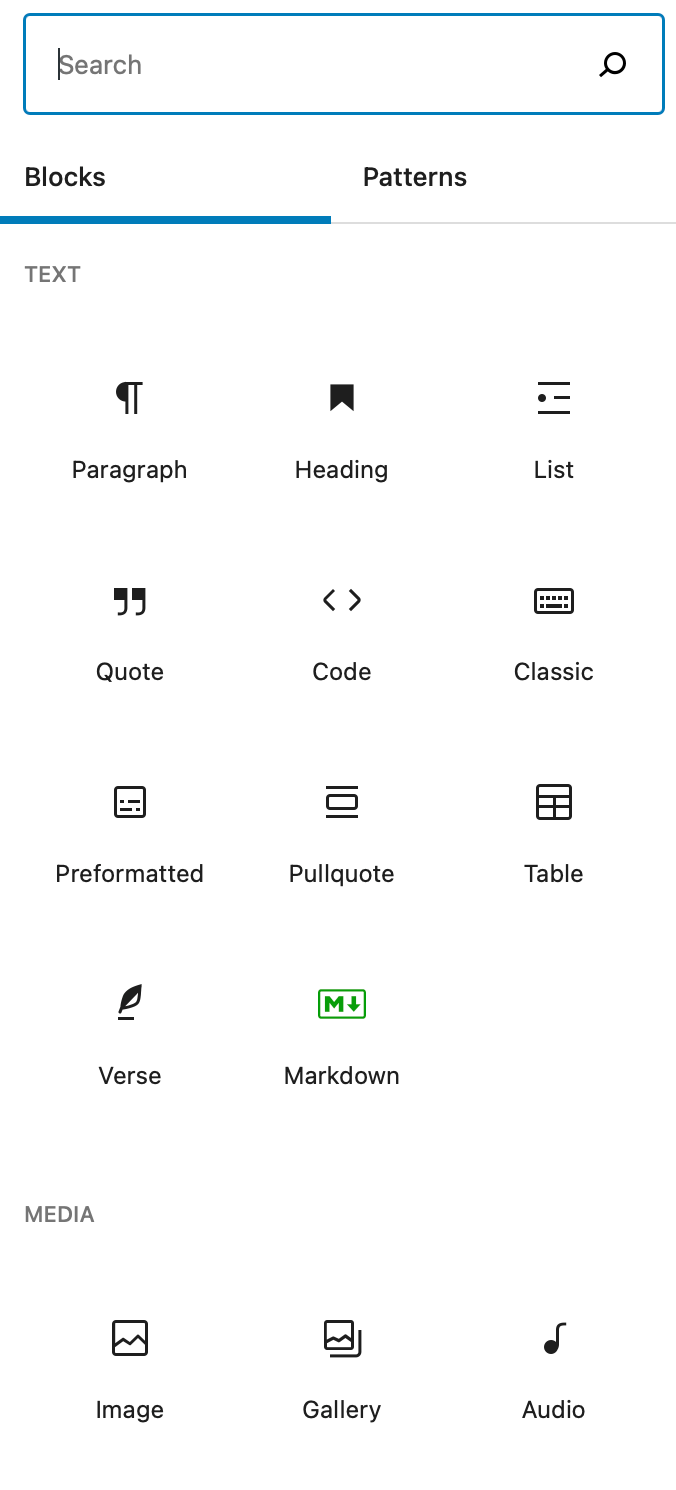
The web is full of editors and tools that let you create content using blocks—think paragraphs, images, videos, or even interactive widgets. You've likely encountered this in WordPress, Notion, or Medium. The block concept is popular because it's intuitive. But here's the issue: every platform builds its own blocks from scratch. A calendar block in one tool won't work in another. That's a waste of effort and limits users. What if blocks could be shared and reused across the entire web? That's the idea behind the Block Protocol. In this Q&A, we break down what it is, why it matters, and how it works.
What is the Block Protocol?
The Block Protocol is an open, free, and non-proprietary standard that defines how blocks can be embedded in any web application. Think of it as a common language between block creators and app developers. If an app follows the protocol, it can host any block that also follows it. This means a block built once—say, a fancy Kanban board—can be used across WordPress, Notion, or a custom note-taking app without rewriting code. The protocol is still in early draft, but the goal is to make blocks interchangeable and reusable, just like how web standards let any browser display any website.
Why are current block systems problematic?
Right now, every editor implements blocks in its own proprietary way. Want a calendar block? If you're using App X and they haven't built it, you're out of luck. Users can't take a block they love from another platform and drop it into their current editor. Developers have to rebuild popular blocks (like image galleries or order forms) over and over again, wasting time and rarely matching the quality of the original. This fragmentation hurts end-users, who are stuck with limited features. The Block Protocol aims to solve this by creating a universal interface, so developers write the embedding code once and instantly support thousands of block types.
How does the Block Protocol work?
It defines a simple contract between an embedding application (like a blog editor or CMS) and a block (like a paragraph, table, or interactive widget). The application provides a container and basic services (e.g., saving data, resizing), while the block handles rendering and user interaction. When both follow the protocol, you can swap any block into any compatible app. The protocol is built on web standards like iframes and postMessage, so it's lightweight and flexible. Early examples include simple text blocks and a Kanban board. The code is open-source, and the community is encouraged to contribute.

What kinds of blocks can be created?
Almost anything that makes sense in a document or on the web. This includes basic text blocks (paragraphs, lists, tables), media blocks (images, videos, embeds), interactive widgets (calendars, Kanban boards, order forms), and data-driven blocks that display typed or structured information (like a contact card or a chart). The only limit is imagination—any reusable UI component that fits inside a document could become a block.
Who benefits from the Block Protocol?
Both app developers and end-users win. Developers of editors, note-taking apps, or CMS platforms can stop reinventing the wheel—they write the embedding code once and immediately offer a huge library of blocks. Block creators can build once and have their work available everywhere, fostering a rich ecosystem. End-users get access to a diverse set of blocks, even in niche tools, and can move content between apps more easily. The protocol is free and open, so anyone can join the community and contribute blocks or improvements.
How can I get involved?
The Block Protocol is in its early stages. The team has released a very early draft and built some sample blocks and a simple editor. You can start by experimenting with the protocol, reading the documentation, or joining the open-source community. If you work on any kind of editor—blogging tool, note-taking app, CMS—you can implement the protocol to let your users embed any block. Developers of all skill levels can help create a vast library of high-quality blocks. Check the official site for links to the draft, sample code, and contribution guidelines.