How to Combat Age-Related Belly Fat with Testosterone and Exercise
Introduction
Aging is inevitable, but the way your body stores fat doesn't have to be. Research has shown that as we grow older, fat doesn't just accumulate—it shifts from the hips and thighs to deep within the abdomen, where it becomes visceral fat. This dangerous belly fat increases the risk of heart disease, diabetes, and inflammation. A recent study found a powerful duo to fight this shift: testosterone gel combined with targeted exercise. For older women recovering from hip fractures, this combination prevented the usual rise in visceral fat. While the study focused on a specific group, the underlying principles can help anyone looking to maintain a healthy midsection as they age. This step-by-step guide will show you how to apply these findings to your own life, under proper medical guidance.
What You Need
- Medical approval – A doctor's evaluation of your testosterone levels and overall health.
- Prescription testosterone gel – Only use under a healthcare provider’s supervision.
- Exercise program – A mix of resistance training (weights, bands) and aerobic activity (walking, cycling).
- Supportive gear – Comfortable workout clothes, shoes, and possibly resistance bands or light dumbbells.
- Tracking tools – A journal or app to record your exercise, gel application, and progress (e.g., waist measurements).
- Healthy diet – Whole foods, lean protein, vegetables, and healthy fats to complement your efforts.
Step-by-Step Guide to Stopping Dangerous Belly Fat
Step 1: Consult Your Doctor for a Testosterone Check
Before anything else, schedule an appointment with your primary care physician or an endocrinologist. Ask for a blood test to measure your testosterone levels. This is crucial because testosterone declines naturally with age, but not everyone needs replacement. Your doctor can determine if your levels are low enough to warrant therapy and whether you have any health conditions (like prostate issues or heart problems) that might make testosterone gel unsafe. Be honest about your symptoms—fatigue, reduced muscle mass, and increased belly fat could all be signs. This step ensures the approach is tailored to you.
Step 2: Obtain a Prescription for Testosterone Gel (If Appropriate)
If your doctor approves, they will prescribe a testosterone gel (such as AndroGel or Testim). These gels are applied daily to clean, dry skin—usually on the shoulders, upper arms, or abdomen (avoid the belly area if you're applying there for fat reduction, as absorption can vary). Important: Never share your gel or use it without a prescription. Follow the dosing instructions exactly. After application, wash your hands thoroughly and cover the area with clothing to prevent transferring the gel to others, especially women and children. Keep a record of when you start treatment.
Step 3: Design a Tailored Exercise Program
The study paired testosterone gel with exercise for synergistic effects. Exercise alone helps reduce visceral fat, and testosterone amplifies that benefit. Your program should include two components: resistance training (to build muscle and boost metabolism) and aerobic exercise (to burn calories and improve cardiovascular health). Aim for at least 30 minutes of moderate activity most days. For resistance: do bodyweight exercises (squats, lunges, push-ups) or use light weights 2–3 times per week. For cardio: brisk walking, swimming, or cycling for 20–30 minutes on other days. If you're recovering from an injury (like a hip fracture), work with a physical therapist to ensure movements are safe.
Step 4: Apply Testosterone Gel Correctly and Consistently
Consistency is key. Apply the gel at the same time each day, usually in the morning. Rotate application sites to prevent skin irritation. Avoid showering or swimming for at least 2–3 hours after application to allow full absorption. Do not apply to sunburned or broken skin. Track your daily dose in your journal. If you miss a dose, check the package insert; most recommend applying it as soon as you remember unless it's almost time for the next dose. Never double up. This step is integral to maintaining stable hormone levels.
Step 5: Monitor Your Progress and Adjust
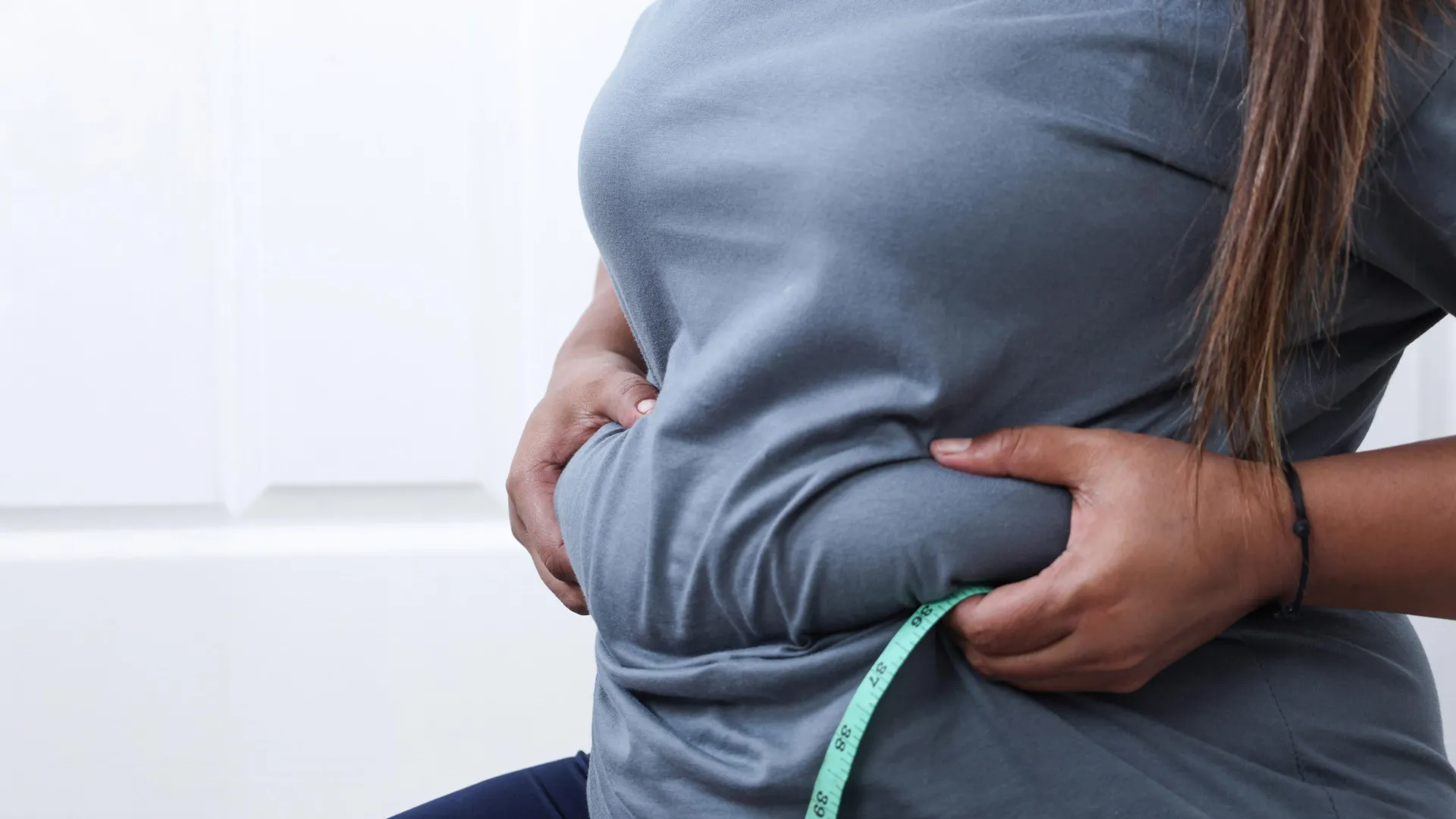
After 4–6 weeks, revisit your doctor for follow-up blood tests to check testosterone levels and ensure they're within a healthy range. Also track changes in your waist circumference, body weight, and energy levels. Use a measuring tape to measure around your belly at the level of your navel. A reduction of even 1–2 inches signals loss of visceral fat. Adjust your exercise routine if you plateau—increase intensity or try new activities. If side effects occur (acne, mood swings, sleep apnea), report them promptly. Your doctor may adjust the dose or recommend stopping.
Tips for Success
- Pair with a nutrient-dense diet. Reduce processed foods, sugars, and trans fats. Focus on lean proteins (chicken, fish, beans), fiber-rich vegetables, and healthy fats (avocado, nuts). Avoid crash diets; they can lower testosterone further.
- Prioritize sleep. Poor sleep disrupts hormone balance and increases cortisol, which encourages belly fat storage. Aim for 7–9 hours per night.
- Manage stress. Chronic stress raises cortisol, which works against testosterone. Try meditation, deep breathing, or gentle yoga as part of your routine.
- Stay hydrated. Water supports metabolism and helps your body process the gel effectively. Drink at least 8 cups daily.
- Be patient. Hormone therapy and exercise take time—typically 3–6 months to see significant fat redistribution. Celebrate small wins like improved energy or strength.
- Never self-prescribe. Over-the-counter testosterone boosters are not regulated and may be ineffective or dangerous. Always work with a medical professional.
By following these steps and consulting your healthcare team, you can apply the insights from this research to reduce dangerous belly fat and improve your overall health as you age. Remember, the combination of medical oversight, hormone optimization, and consistent exercise is the most powerful strategy available.