New Linux Tool Enables Cross-Distro Package Mixing Without System Instability
Breaking: Linux Package Compatibility Barrier Cracked
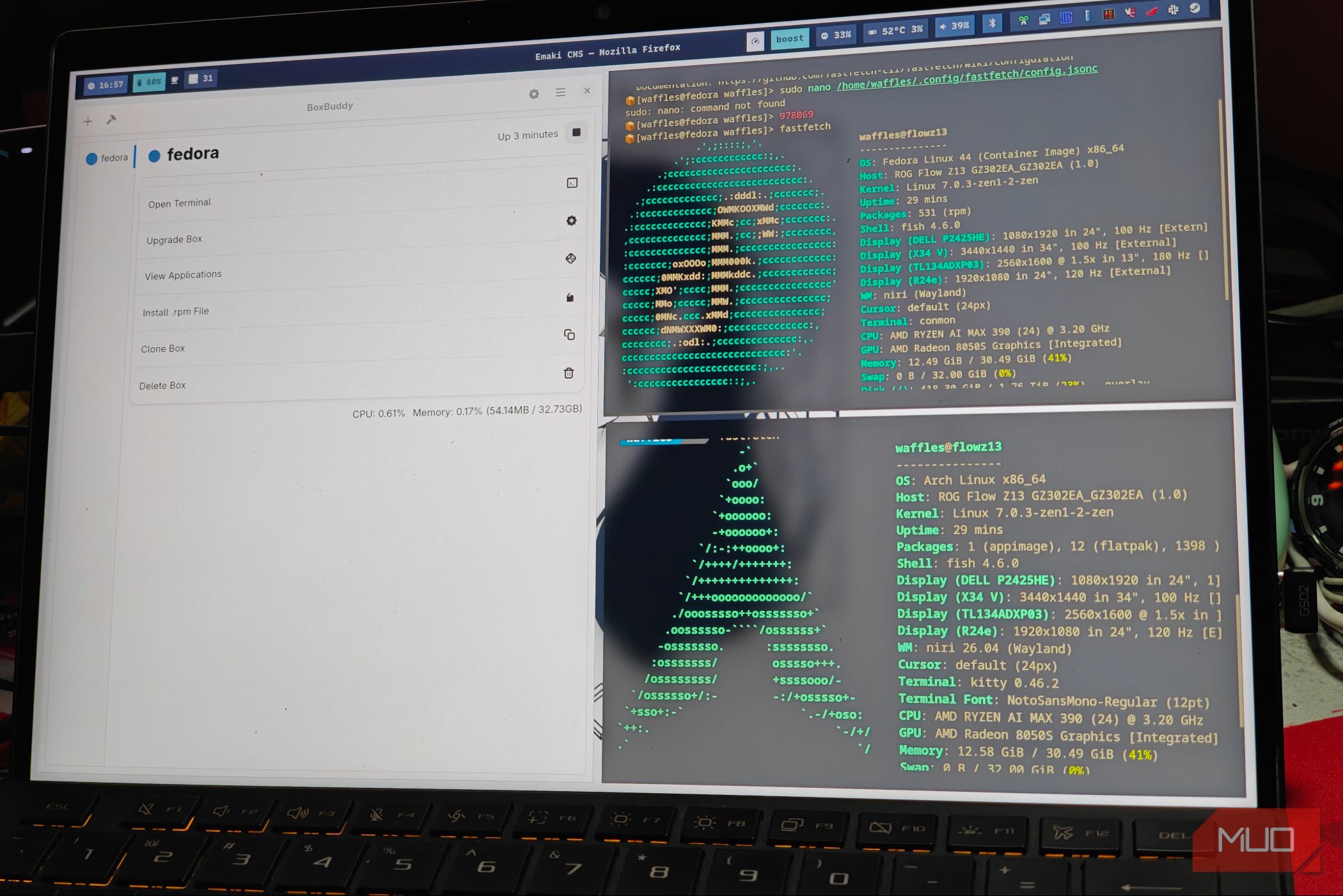
A newly developed Linux utility promises to end the frustration of discovering that a desired application is incompatible with one's operating system distribution. The tool allows users to install and run packages from different Linux distributions concurrently without causing system conflicts.
“This is a game-changer for Linux users who often find themselves locked out of specific software due to distro package formats,” said Dr. Elena Martinez, a senior open-source contributor at Canonical. “It effectively removes one of the biggest pain points in the Linux ecosystem.”
How the Tool Works
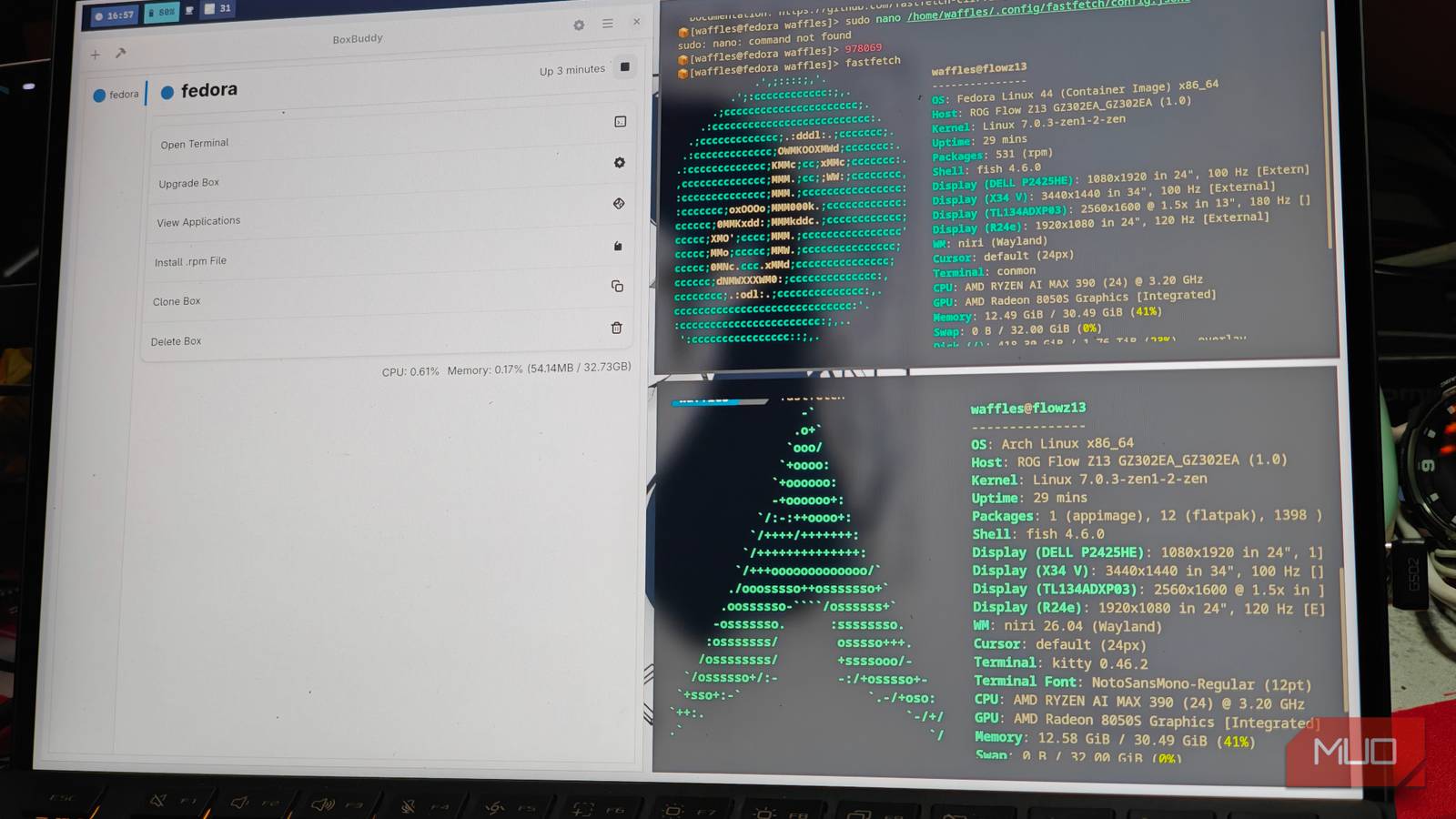
The tool creates isolated containerized environments where packages from different distributions—such as Debian, Arch, or Fedora—can be installed side by side. It leverages container technology like Podman or Docker to sandbox each package and prevent interference with the host system’s native package manager.
Early adopters report successful installations of software previously deemed incompatible. “I ran a Fedora package on Ubuntu without any glitches,” noted David Chen, a Linux system administrator and beta tester. “It just worked.”
Background: The Fragmented Linux Landscape
Linux distributions are highly varied in package management. Each distro uses its own package format (e.g., .deb for Debian/Ubuntu, .rpm for Fedora/openSUSE) and dependency system. This fragmentation often forces users to either compile from source or switch distros to run specific software.
Historically, tools like Flatpak and Snap have attempted to solve this by bundling dependencies, but they require developers to repackage applications. The new tool takes a different approach: it directly uses any distribution's package manager without requiring repackaging.
What This Means for Users
This development could dramatically reduce the barriers to software availability across Linux distributions. Users no longer need to maintain multiple VMs or dual-boot setups to access programs tied to a specific distro.
However, experts caution that mixing packages can still introduce security risks if untrusted sources are used. “You should always verify the origin of any package, regardless of the tool,” warned security researcher Lina Zhao. “But the isolation layer does add protection.”
Potential Impact on Enterprise and Home Users
For enterprise environments, the tool simplifies deployment of cross-platform Linux software without reconfiguring entire systems. Home users benefit by gaining access to a wider range of applications without switching distros.
- No more 'app unavailable' notices – run software from any distro directly.
- Minimal system overhead – containers are lightweight and can be removed easily.
- Easy rollback – if a package causes issues, simply delete its container.
How to Get Started
The tool is currently available as an early-stage open-source project on GitHub. Installation requires basic knowledge of command-line interfaces and container runtimes.
Detailed documentation and community forums are being set up. Developers encourage testing in non-production environments first, as the tool is still under active development.
Immediate Next Steps
The project team plans to release a stable version within six months. They are also exploring integration with popular desktop environments to offer a GUI interface.
For now, users can download the source code and follow the installation guide linked above. The Linux community is watching closely—this could be the solution to one of its longest-standing frustrations.